
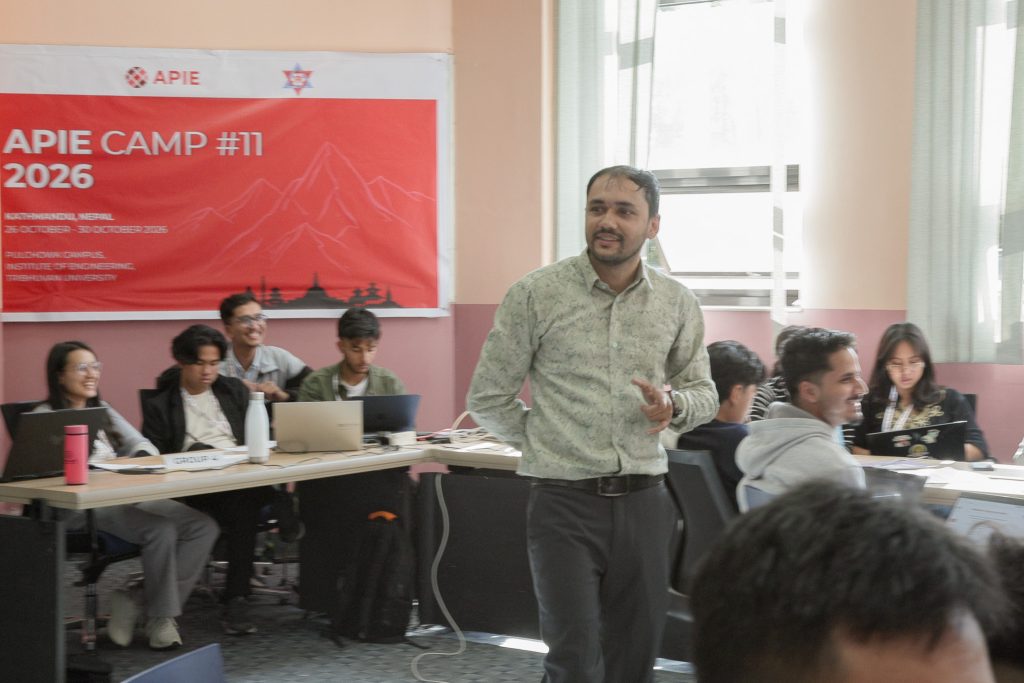
The eleventh edition of the APIE Camp took place from 25–30 October 2026, hosted by the Institute of Engineering (IoE) of Tribhuvan University (TU) in Nepal. Held at the Information and Communication Technology Center (ICTC) Building on the university’s Pulchowk Campus, in the Kathmandu Valley, the camp brought together 24 participants from 10 institutions across eight economies — Bangladesh, Indonesia, Japan, Malaysia, Myanmar, Nepal, the Philippines, and Thailand — for an intensive week of hands-on Internet engineering, collaborative learning, and international exchange.
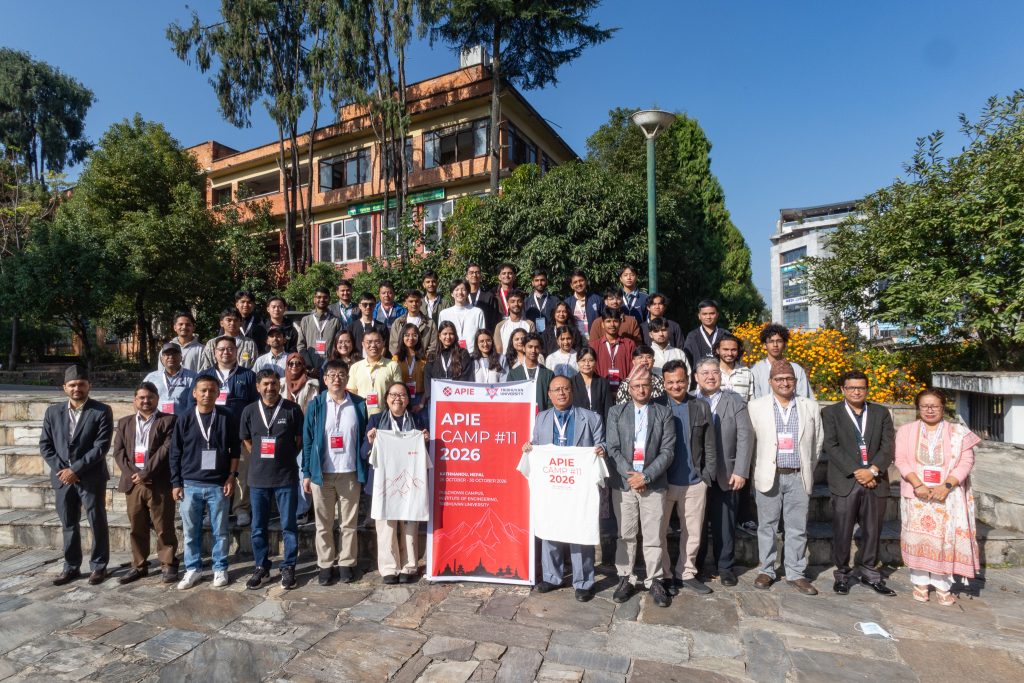
As the first APIE Camp hosted in Nepal, the event marked another milestone in the collaboration between SOI Asia and TU, a long-standing partner whose students have actively participated in APIE activities across the region.
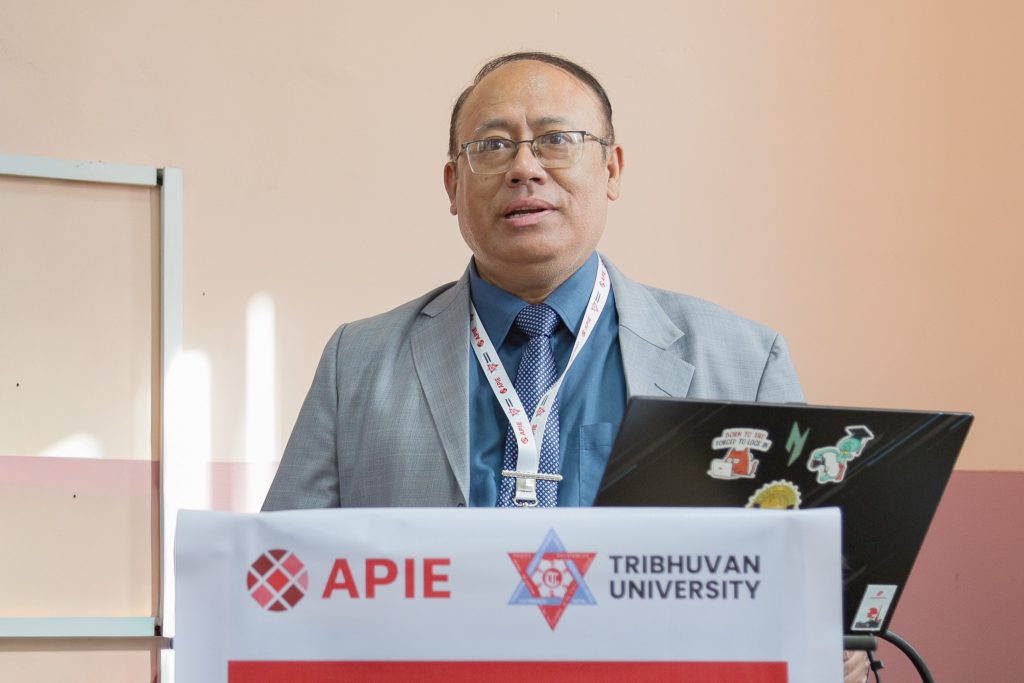
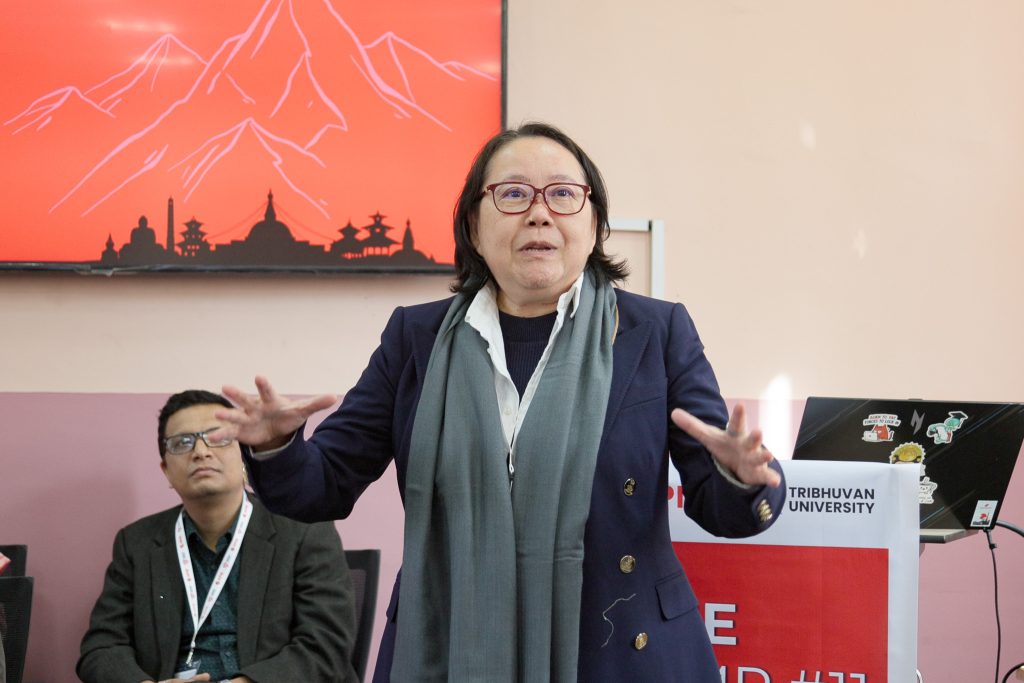
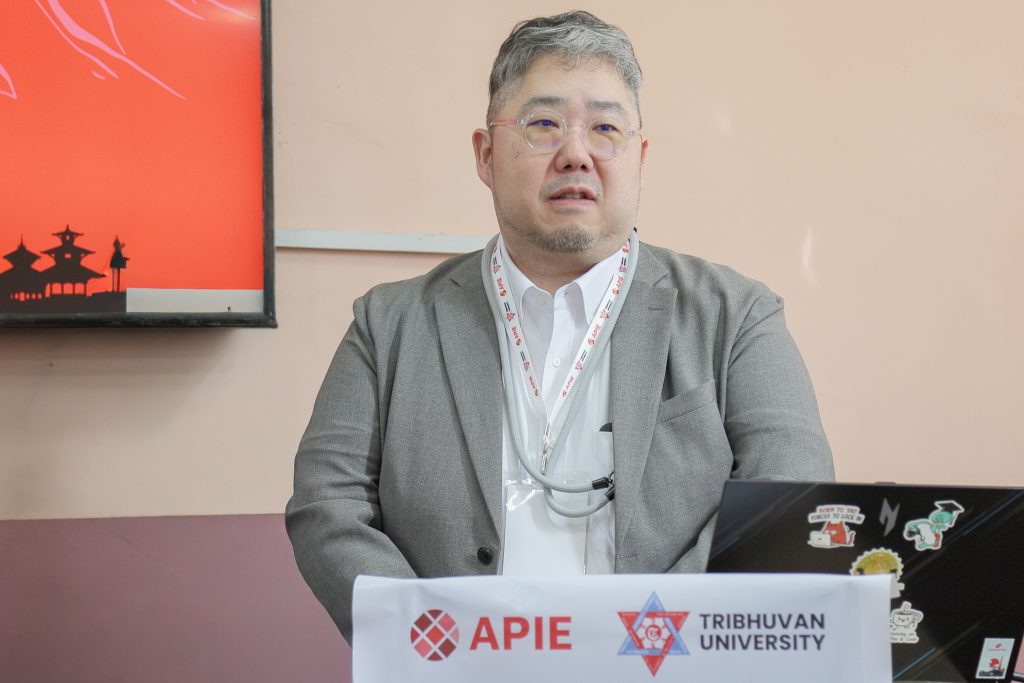
The opening ceremony featured remarks from Prof. Sushil Bahadur Bajracharya, Dean of TU’s Institute of Engineering, who expressed his support for the initiative and interest in further strengthening collaboration with SOI Asia. Prof. Keiko Okawa, Director of SOI Asia, highlighted the growth of the SOI Asia community and its strong partnership with TU, encouraging students to make the most of the experience and embrace failure as an opportunity to learn. Representing the APNIC Foundation, a key supporter of SOI Asia, Marcos Sadao Maekawa expressed his appreciation for the collaboration and recognised the active contributions of TU students to previous APIE activities, celebrating the opportunity to bring the camp to Nepal for the first time.
Learning by Doing: From Network Infrastructure to Applications
Following the established APIE Camp curriculum, participants spent four days exploring essential Internet engineering technologies through lectures, practical exercises, and teamwork.
Day 1 – Network Deployment
The camp began with icebreaking activities led by teaching assistants, helping participants get to know one another before starting their technical journey.
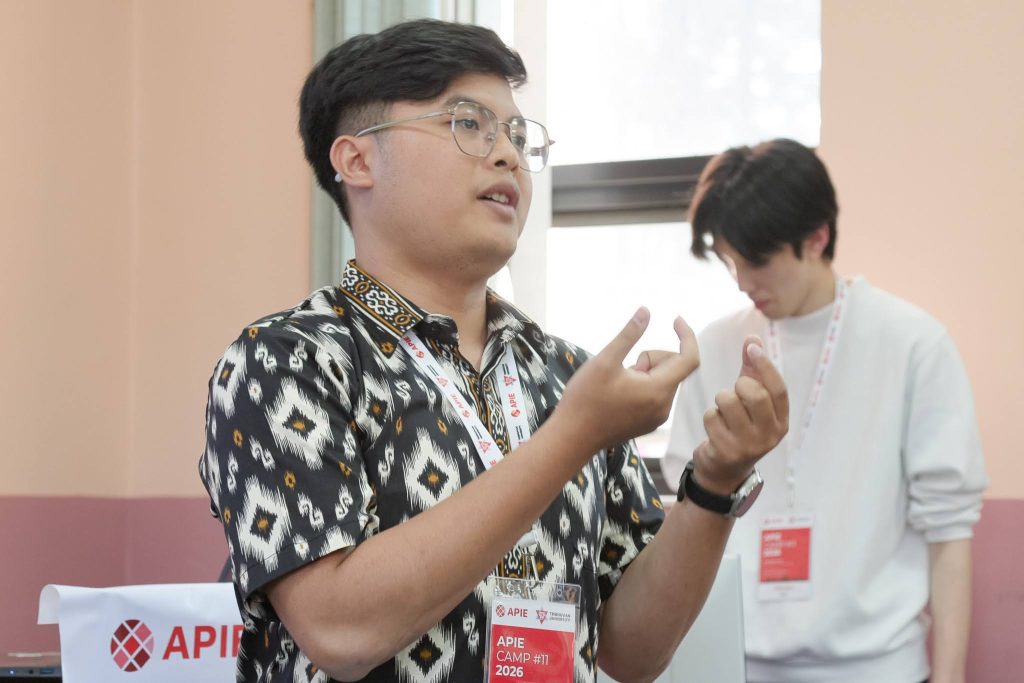
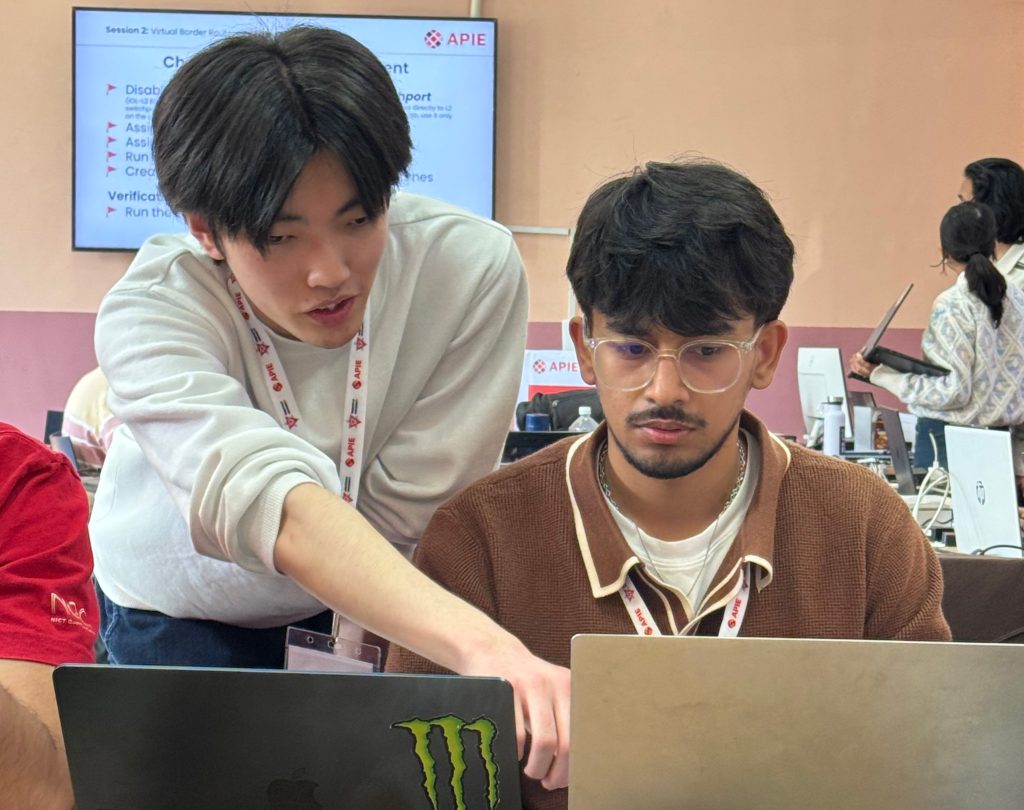
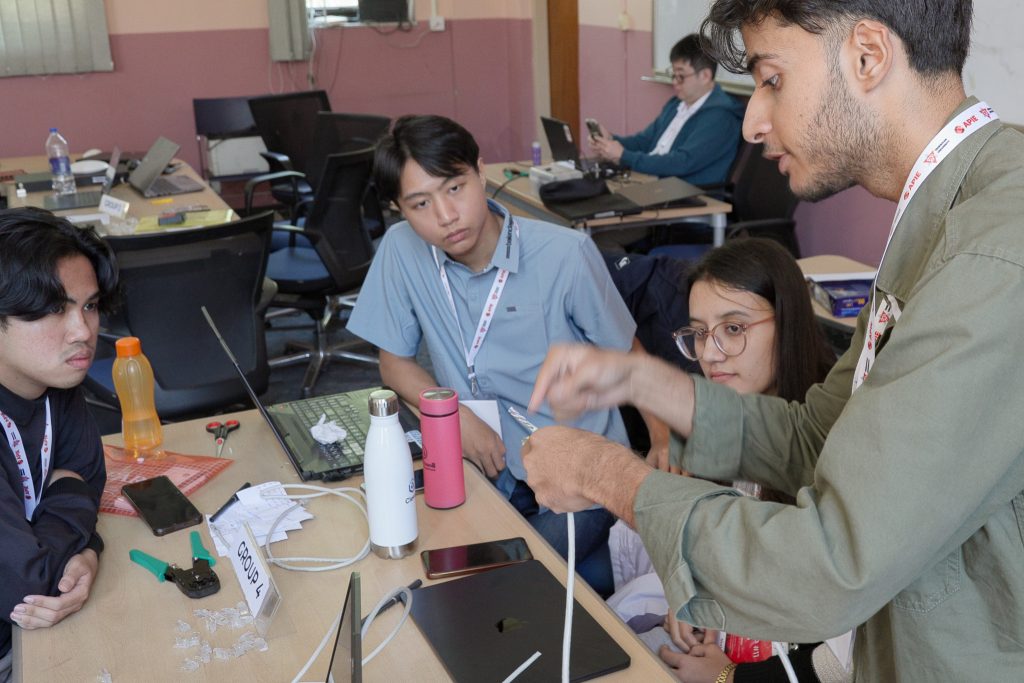
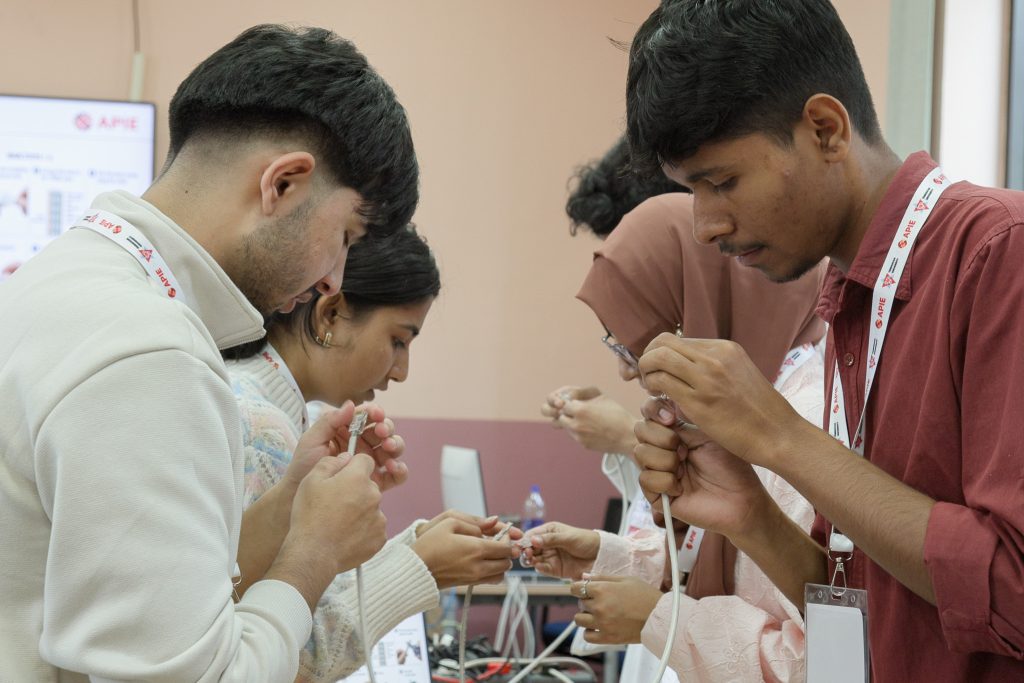
The first day’s activities introduced network infrastructure and deployment, including network cabling, device interconnection, IP addressing, network topology, VLAN configuration, NAT, and OSPF routing.
Day 2 – Network Virtualisation and Cybersecurity
Participants explored virtualization technologies, hypervisors, and Linux environments, gaining practical experience with technologies used to deploy and manage network infrastructure.
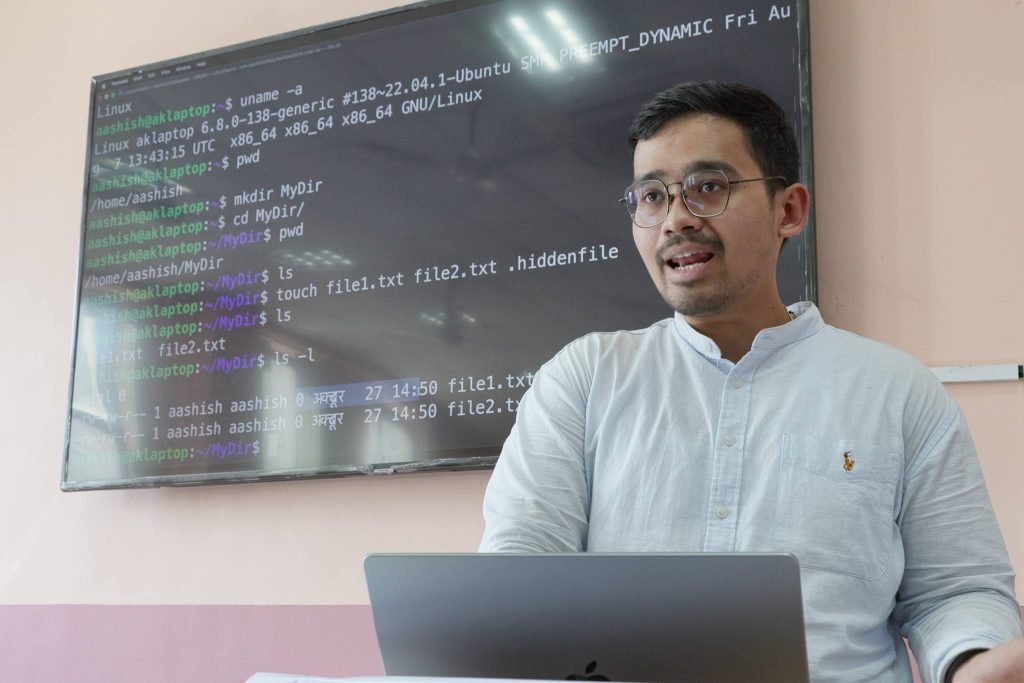
The Linux session was delivered by Aashish Karki, a TU graduate and APIE alumnus who recently participated in the APNIC Fellowship at APNIC 62 in Mumbai, India. Returning to APIE as a lecturer, Aashish shared his knowledge and experience with the next generation of learners.
The day’s activities also introduced network and cybersecurity concepts, emphasising the importance of maintaining secure and reliable Internet services.
Day 3 – Domain Name System (DNS)
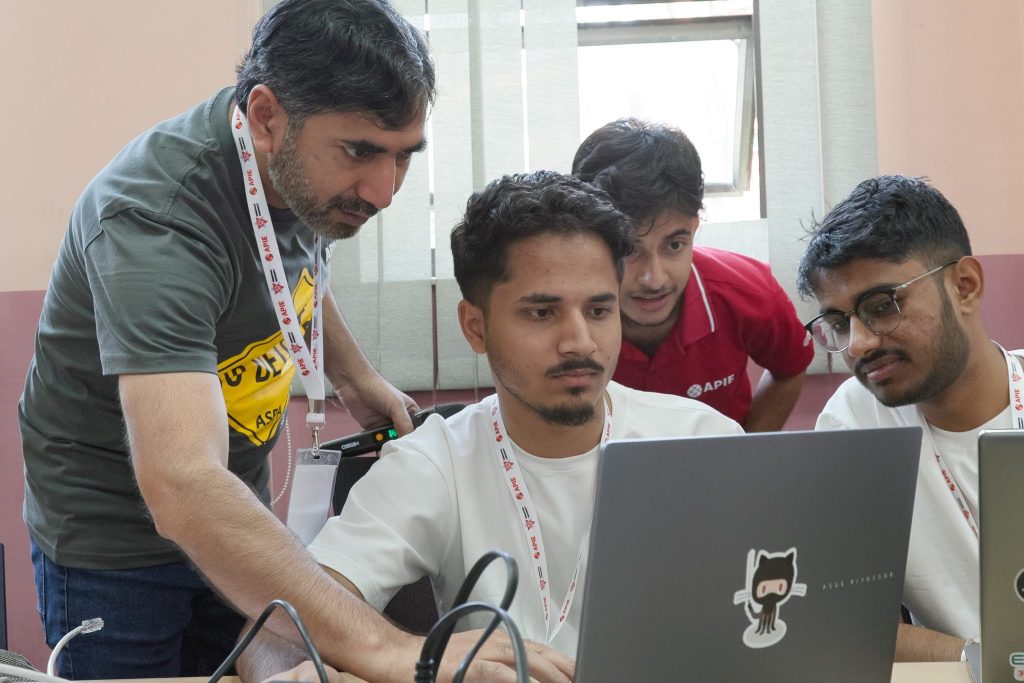
With guidance from an APNIC instructor, participants learned about the role of DNS in Internet operations and gained hands-on experience configuring DNS servers, including secondary servers, to support reliable name resolution.
Day 4 – IoT and Cloud Computing
The fourth day connected Internet infrastructure to practical applications through an introduction to the Internet of Things (IoT), cloud computing, and related technologies.
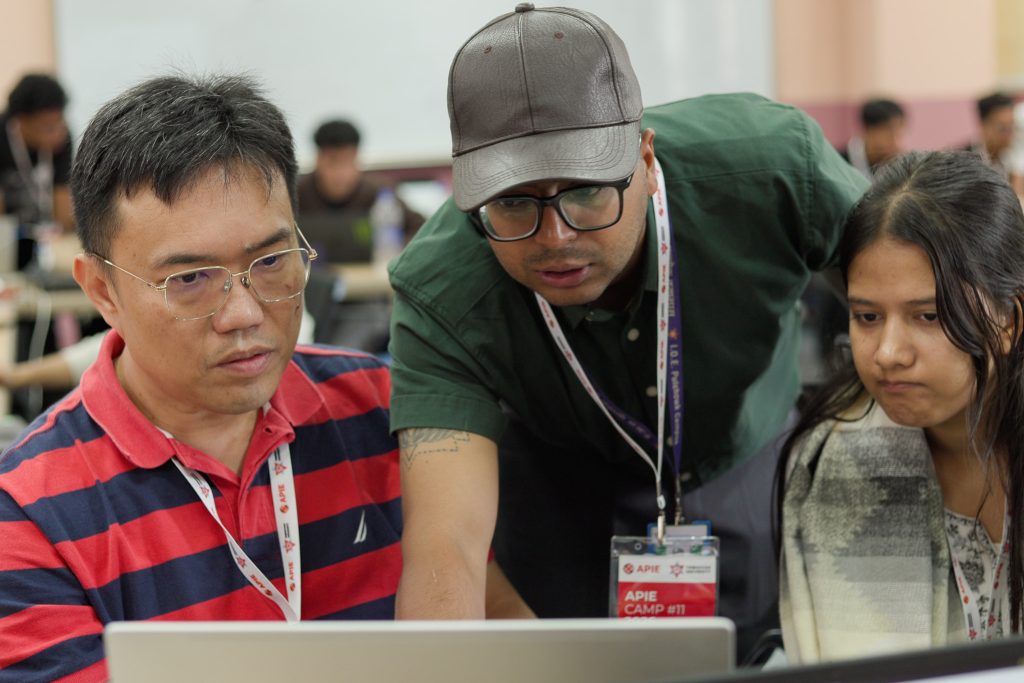
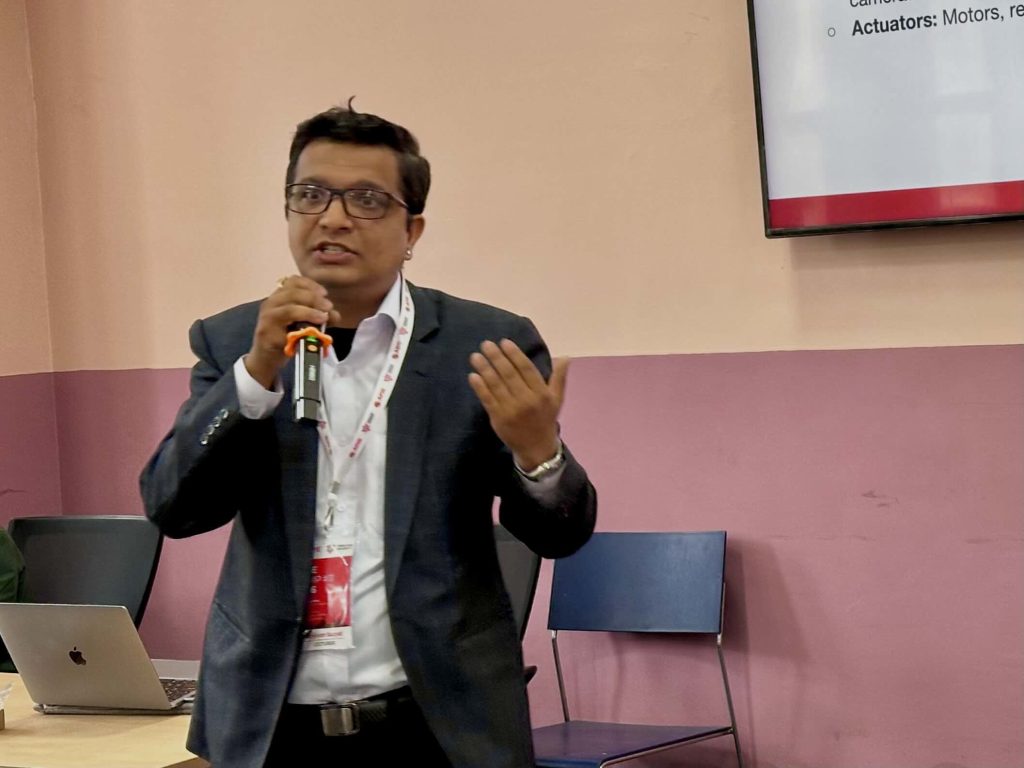
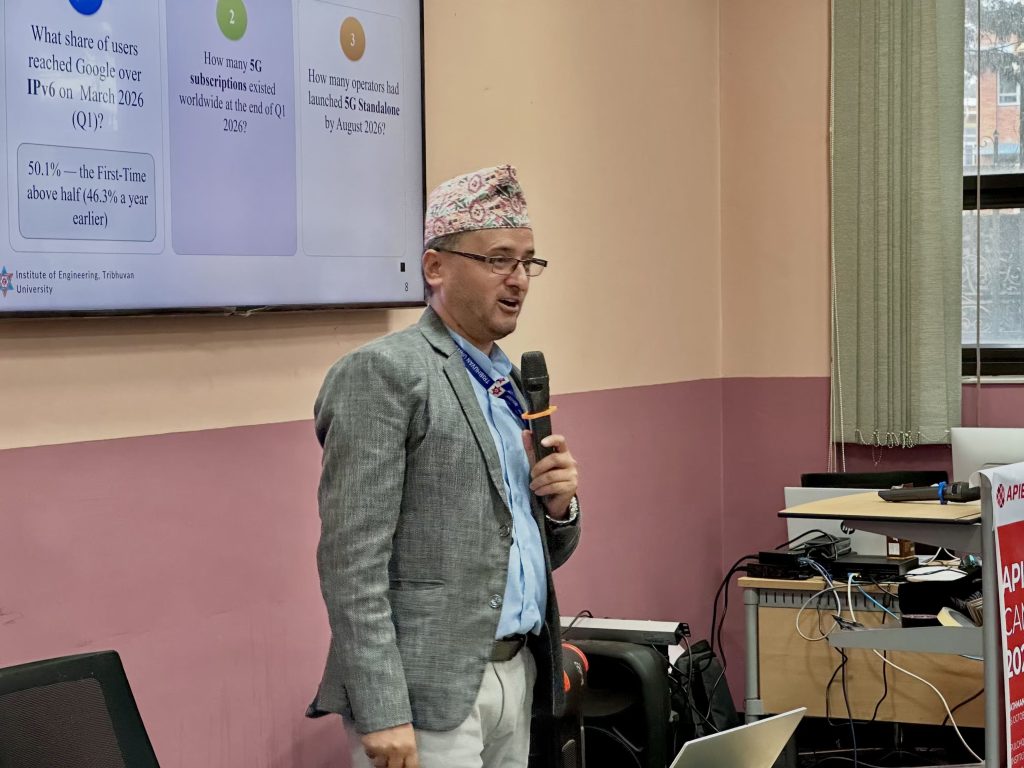
Participants explored how sensors, connected devices, and cloud services can be combined to develop applications addressing challenges in different areas of society.
Day 5 – Industry Visit and Interim Project Presentations
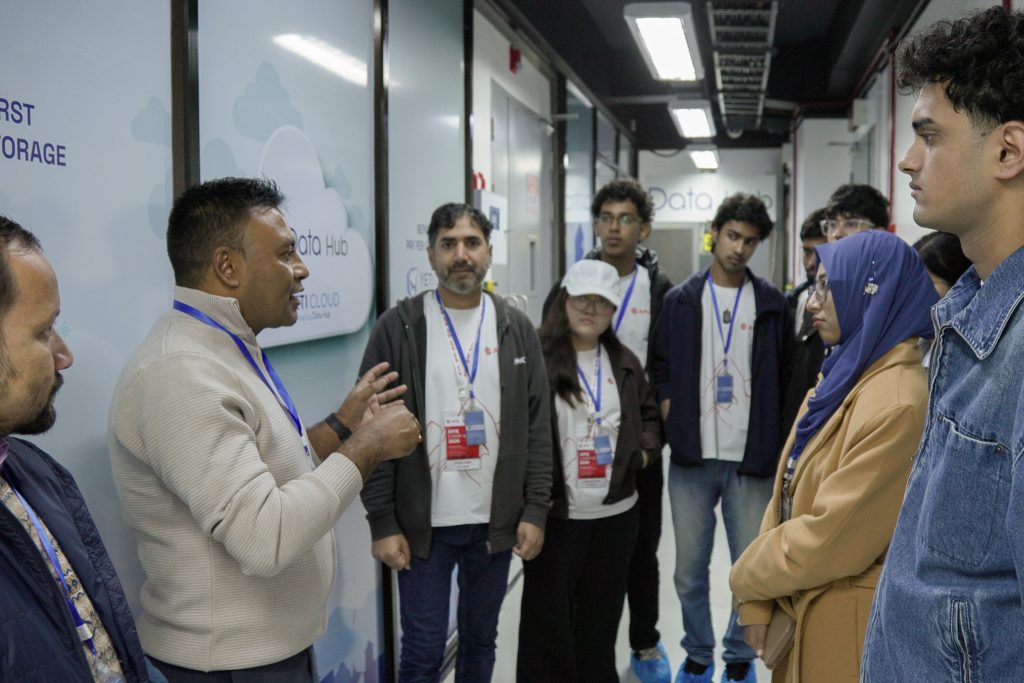
On the final day, participants visited DataHub, a data centre in Kathmandu, where they had the opportunity to connect their technical learning with real-world Internet infrastructure and operations.
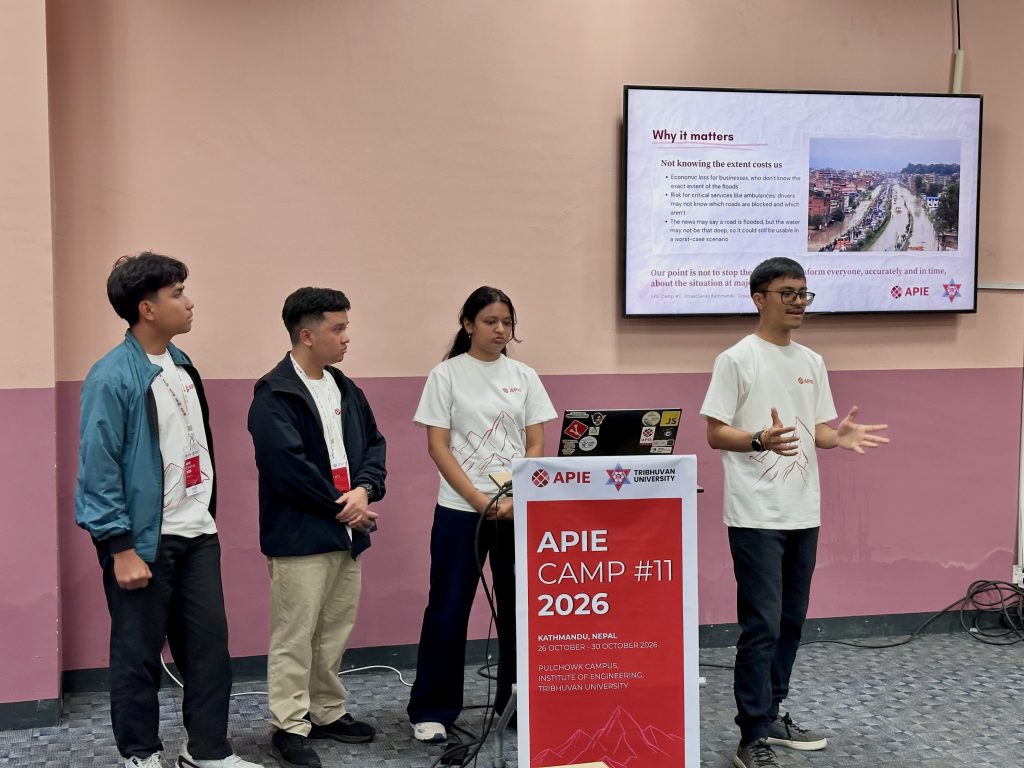
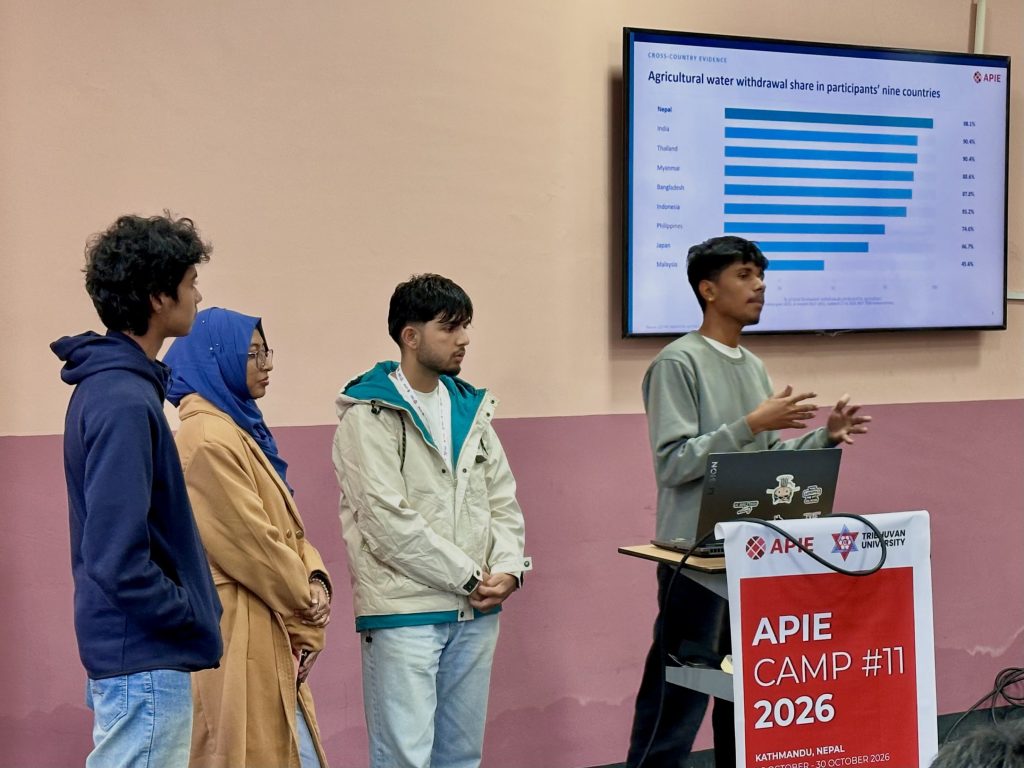
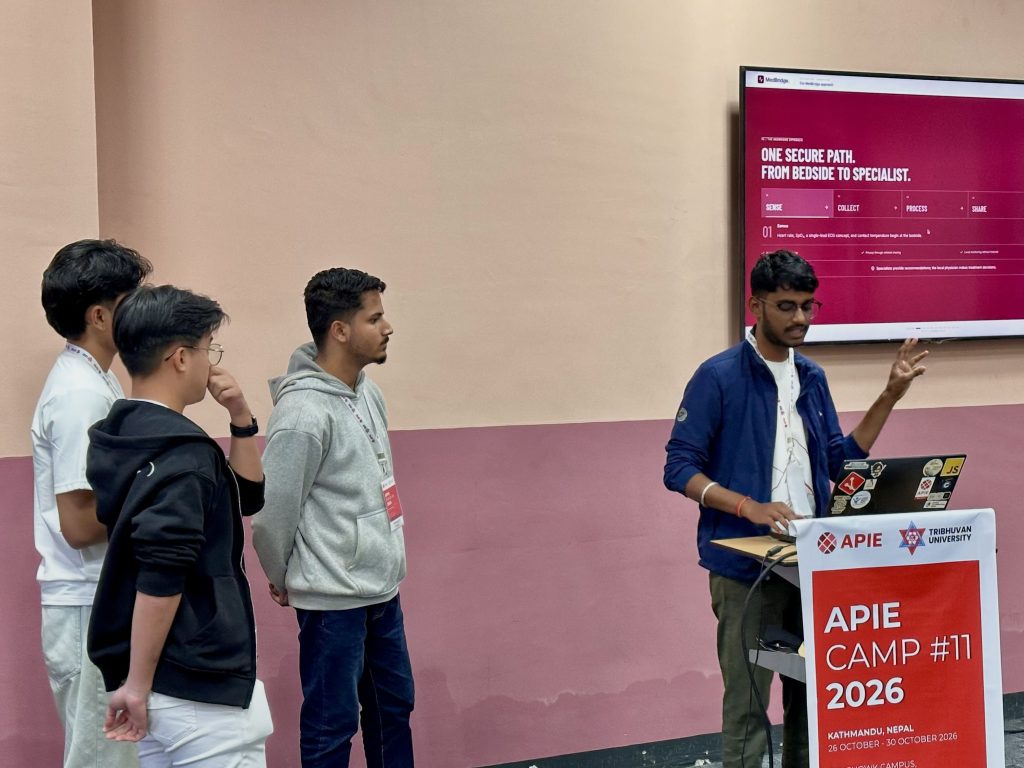
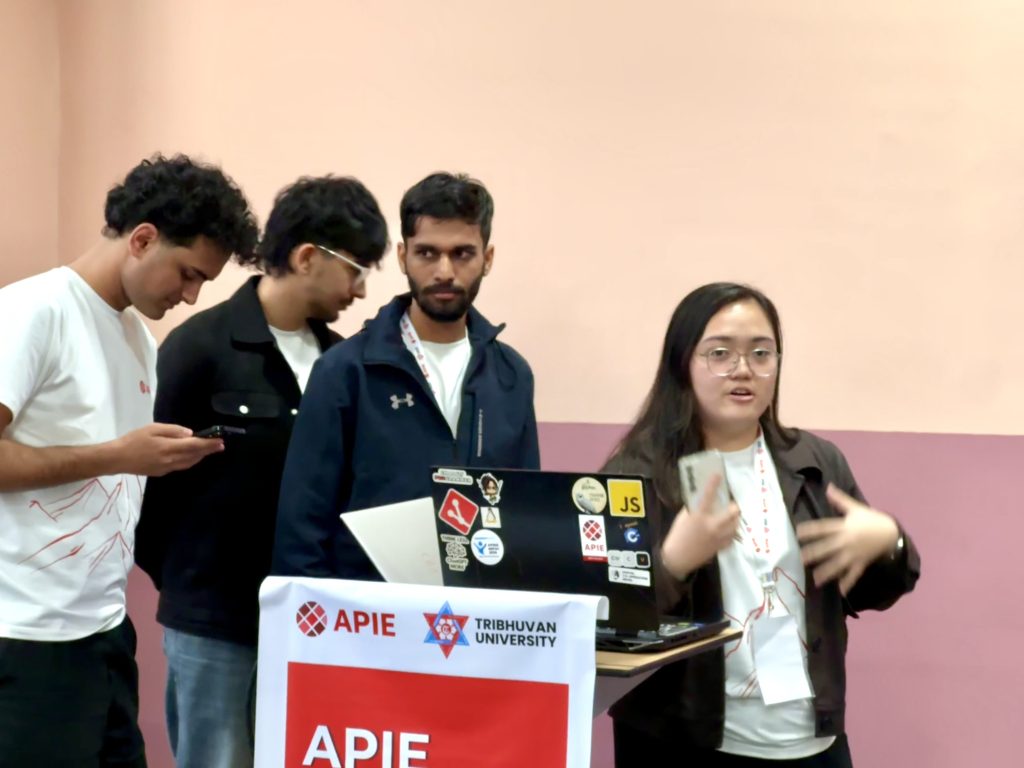
In the afternoon, six groups presented their interim projects addressing real-world challenges, including landslide detection, agricultural irrigation, blood donation, flood monitoring, healthcare and telemedicine.
A Community of Learners and Contributors
An important aspect of APIE Camp #11 was the contribution of the local TU community, returning APIE alumni, and technical teams working behind the scenes.
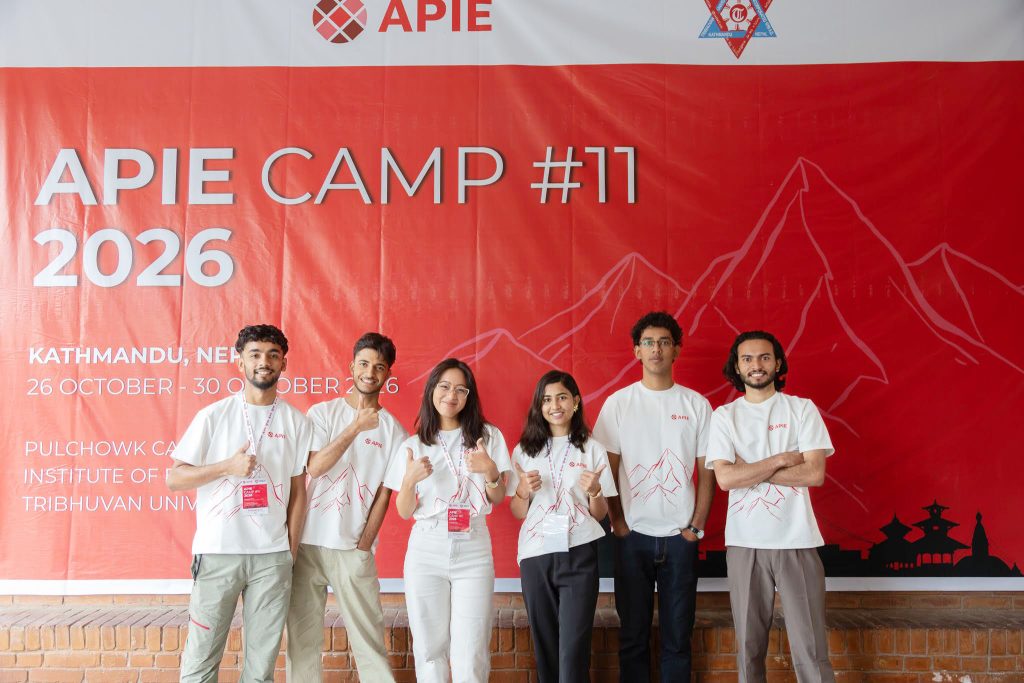
Six local student teaching assistants supported participants throughout the practical sessions, working alongside instructors and external trainers from TU and APNIC.
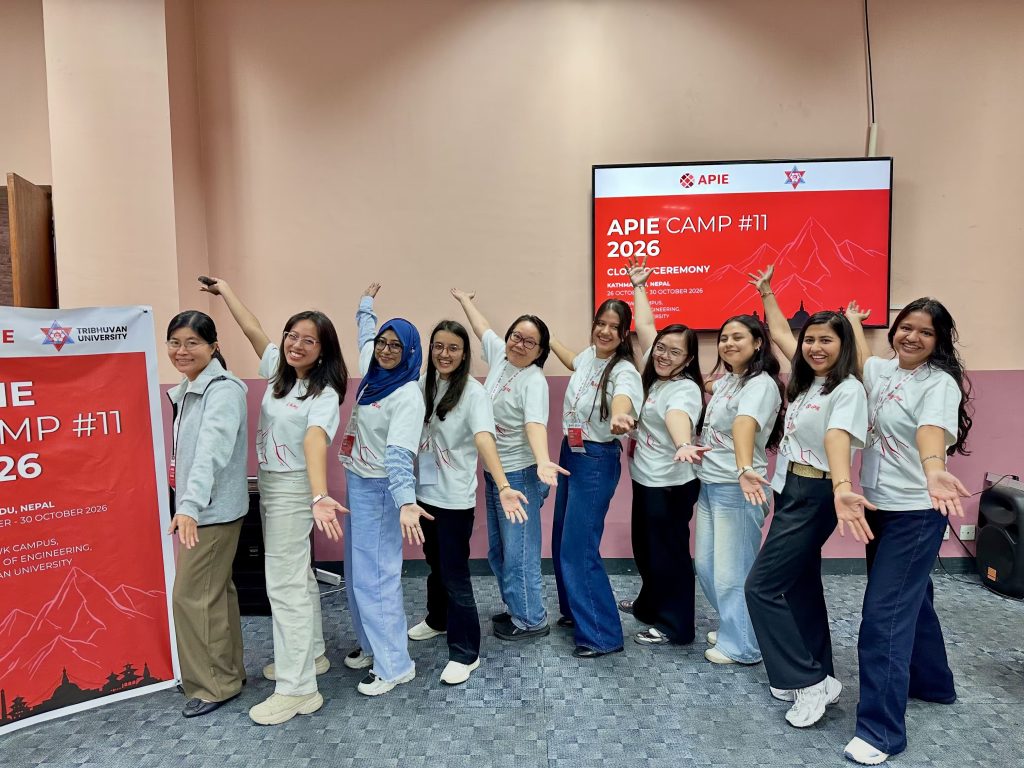
The camp also brought together women contributing to APIE in different roles, from participants and teaching assistants to mentors and educators. Their involvement reflects the importance of encouraging women’s participation and creating opportunities for them to learn, share knowledge, and take active roles in the Internet engineering community.
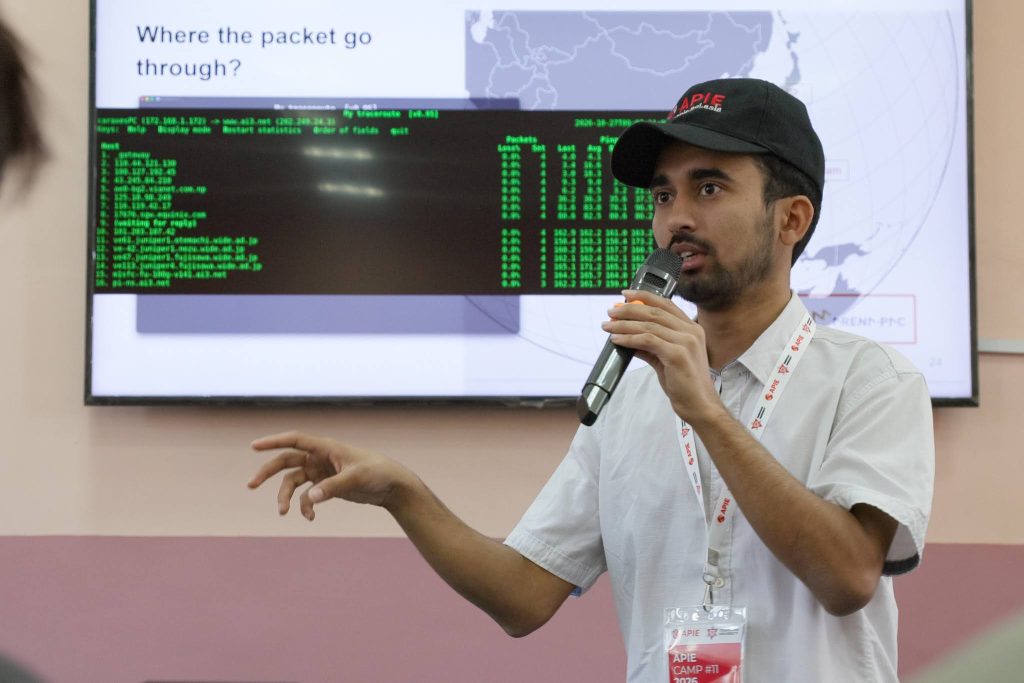
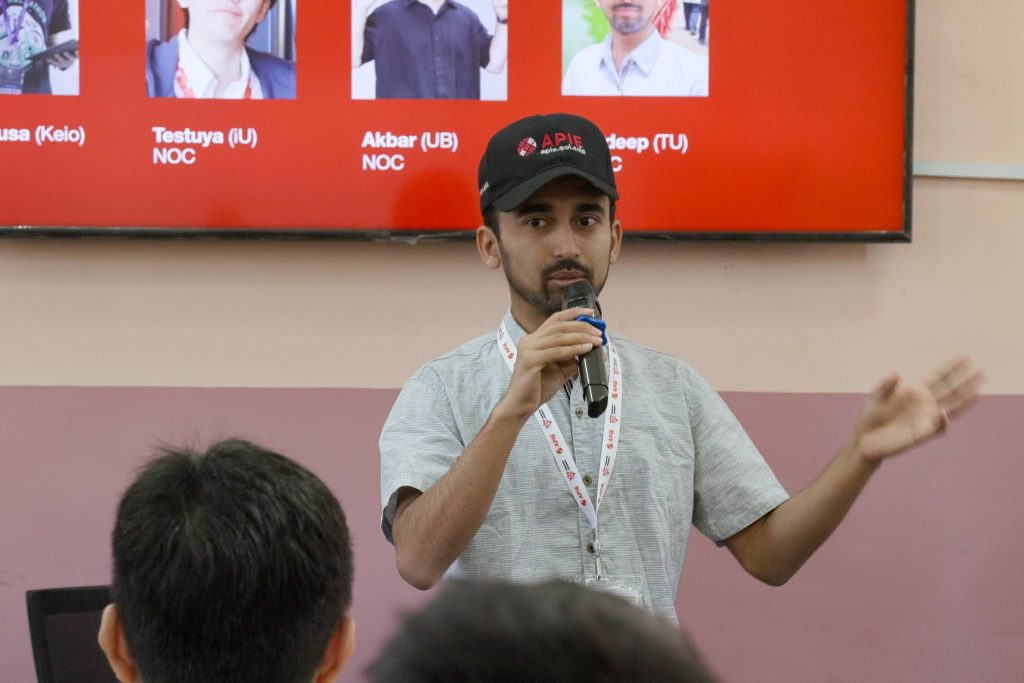
The Network Operations Center (NOC) team, formed by Tetsuya Yayabe (Japan), Sudeep Subedi (TU, Nepal), and Akbar Fikri Abdillah (UB, Indonesia), supported the technical environment and helped ensure the smooth delivery of the hands-on activities.
The participation of Aashish Karki as a lecturer was another example of how the APIE community continues to grow. Having previously joined APIE as a learner and later expanded his experience through the APNIC Fellowship, Aashish returned to share his knowledge and support new participants.
His journey reflects an important part of APIE’s approach: creating opportunities for learners to continue developing their skills and eventually become contributors to the Internet community.
Closing the Week and Looking Ahead
The camp concluded on 30 October with the interim group presentations, where participants shared their project ideas and progress after an intensive week of learning and teamwork. The groups received feedback from instructors and fellow participants to help them further develop their projects.
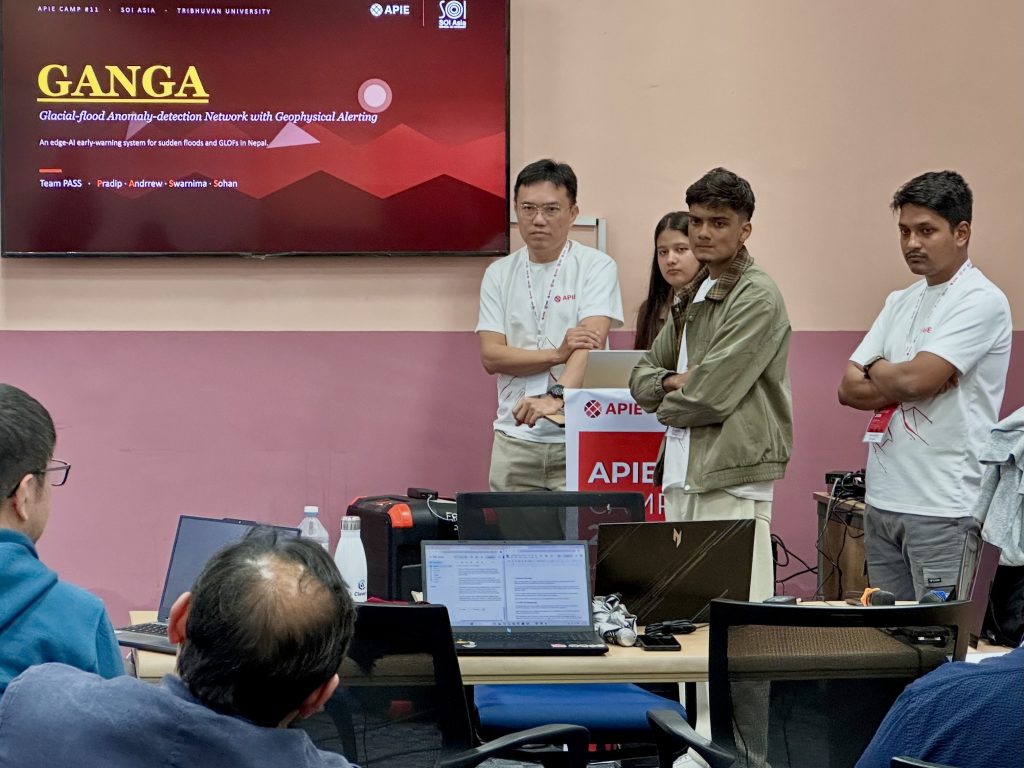
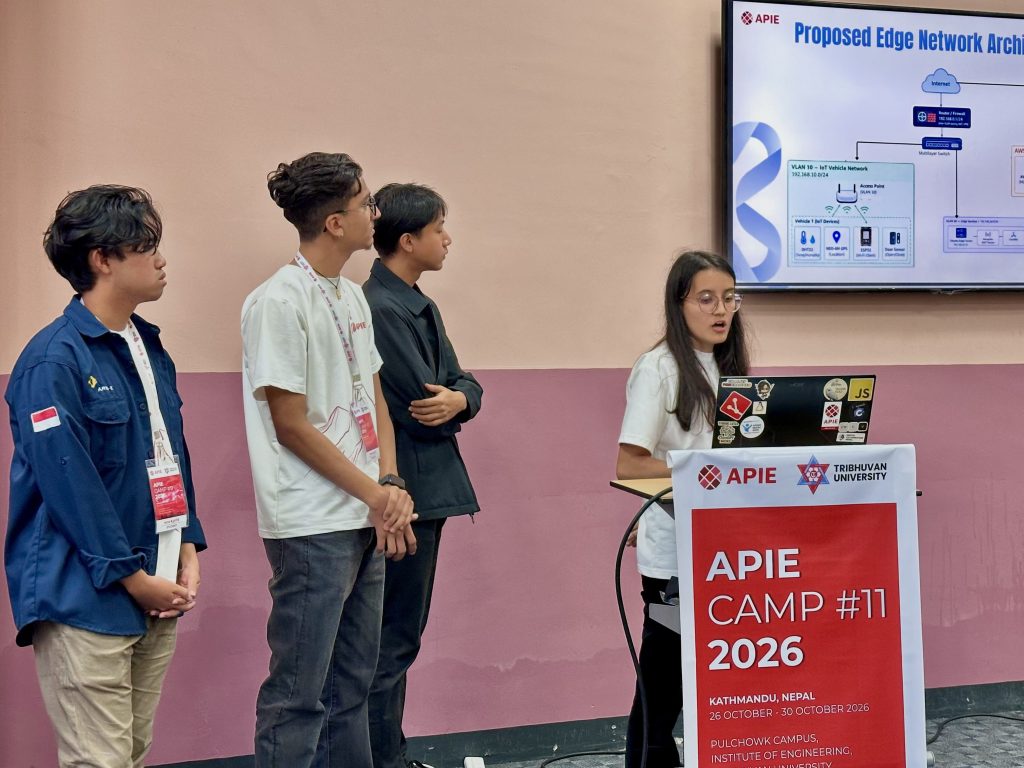
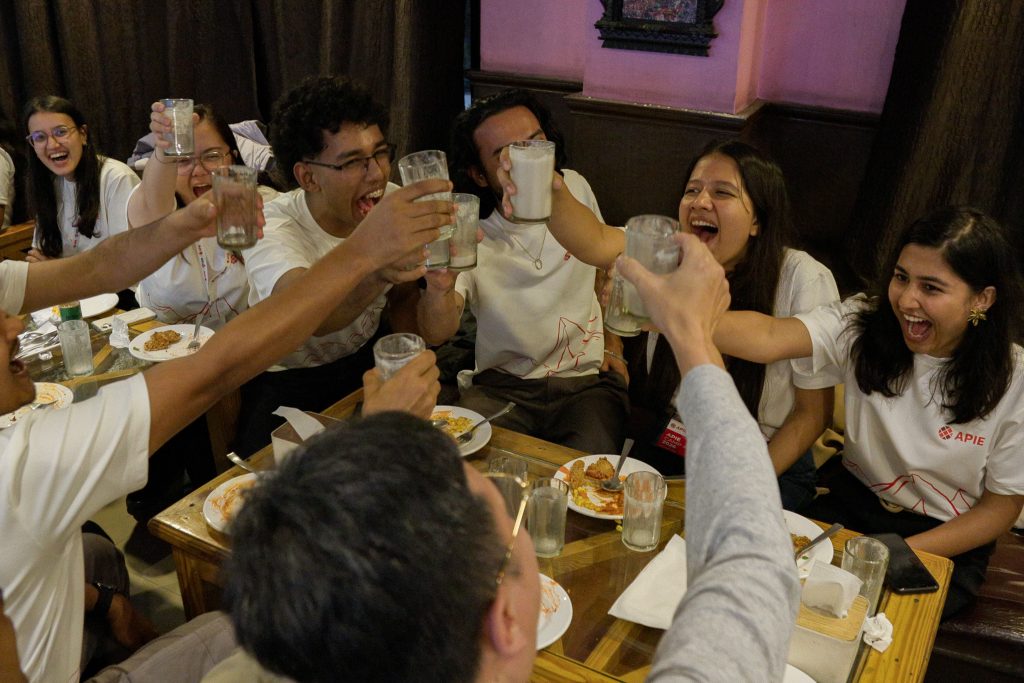
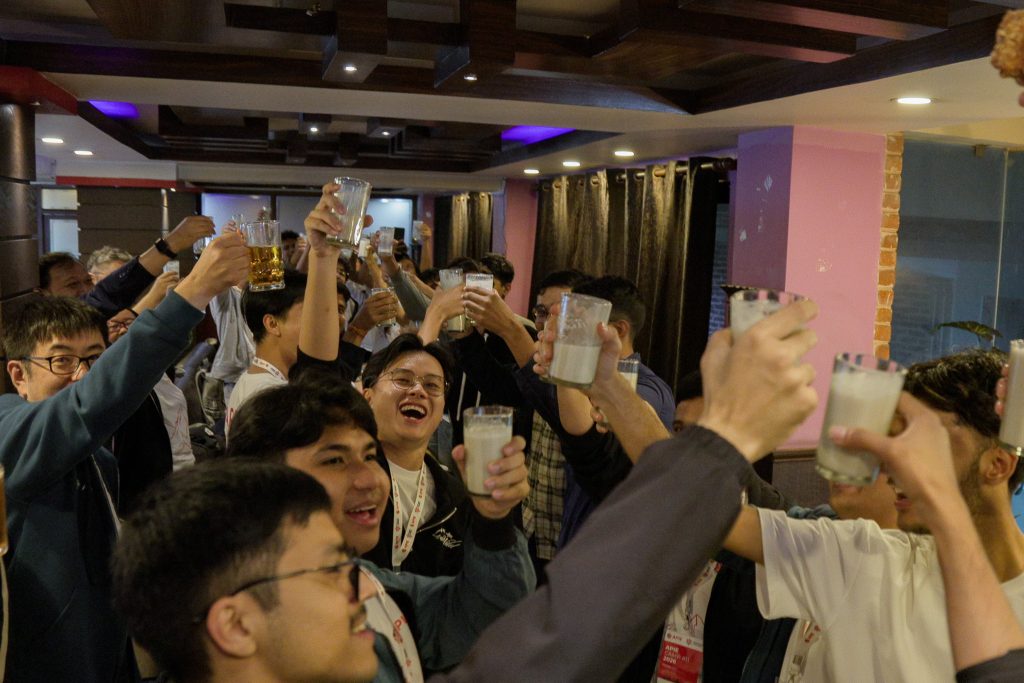
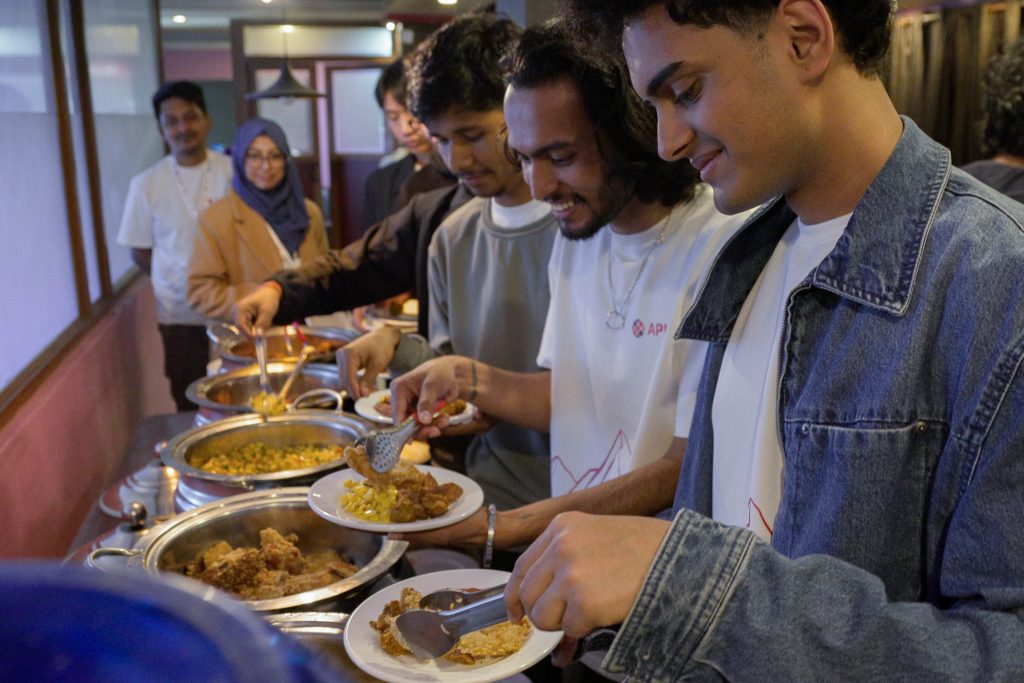
The closing ceremony and dinner brought together participants, instructors, teaching assistants, and supporting teams to celebrate the week’s achievements and recognise everyone’s contributions. It was also an opportunity to reflect on their experiences, strengthen new friendships, and enjoy their final moments together in Nepal.
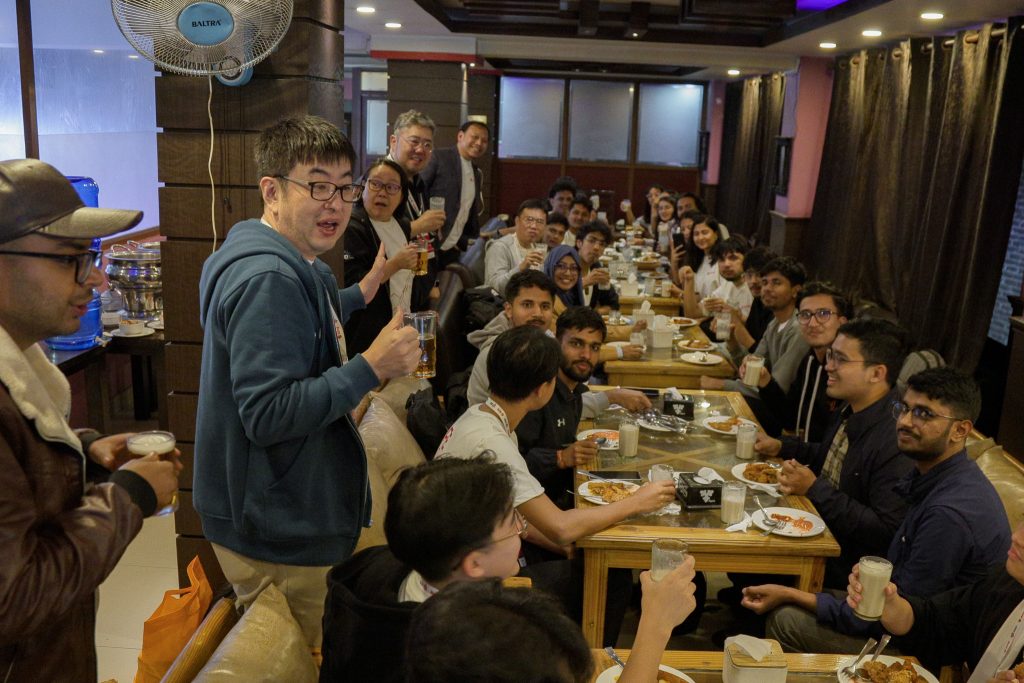
Although the on-site activities have ended, the group projects are still underway. Participants will continue working together remotely to refine their ideas and prepare for the final online presentations, scheduled for mid-November 2026, which will mark the completion of APIE Camp #11’s learning activities.