
For many learners in the APIE program, the journey begins by understanding how the Internet works—learning about networks, infrastructure, and operations through the Core Course. But preparing the next generation of Internet engineers is not only about technical skills. It is also about understanding how those skills connect to the broader Internet ecosystem and contribute to addressing real-world challenges.
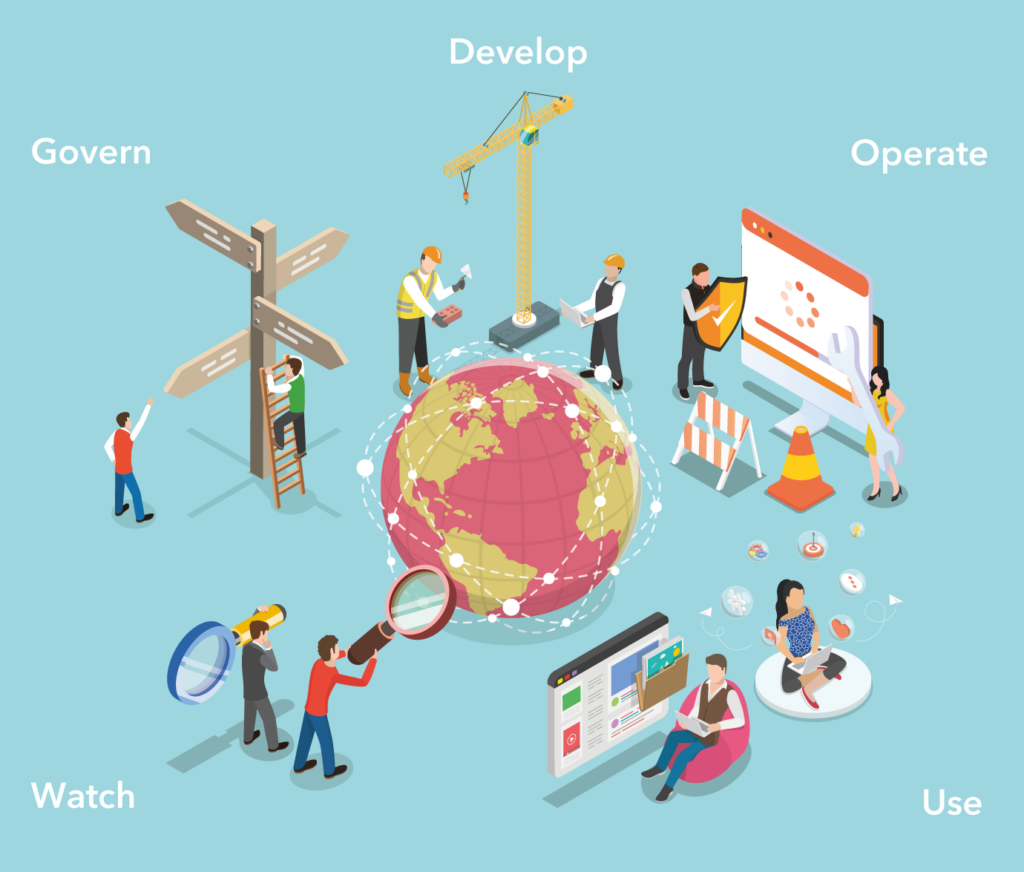
To support this next step, the APIE Internet Governance (IG) Course completed its first structured hybrid run in May and June 2026, combining self-paced online learning with synchronous discussion-based sessions through the APIE IG e-Workshop.
Designed as a new pathway within the broader APIE learning experience, the pilot explored how diverse communities, organizations, and stakeholders collectively shape the evolution of the Internet—and how young people can meaningfully contribute to this process.
From understanding the Internet to shaping its future
For many in APIE, the learning journey starts with understanding how the Internet works through the Core Course. While earlier stages focus on technical foundations and network operations, this new initiative invites learners to step back and ask a different set of questions: Who helps shape the Internet? How are decisions made? And how can individuals contribute to a healthier, more inclusive, and more resilient Internet?
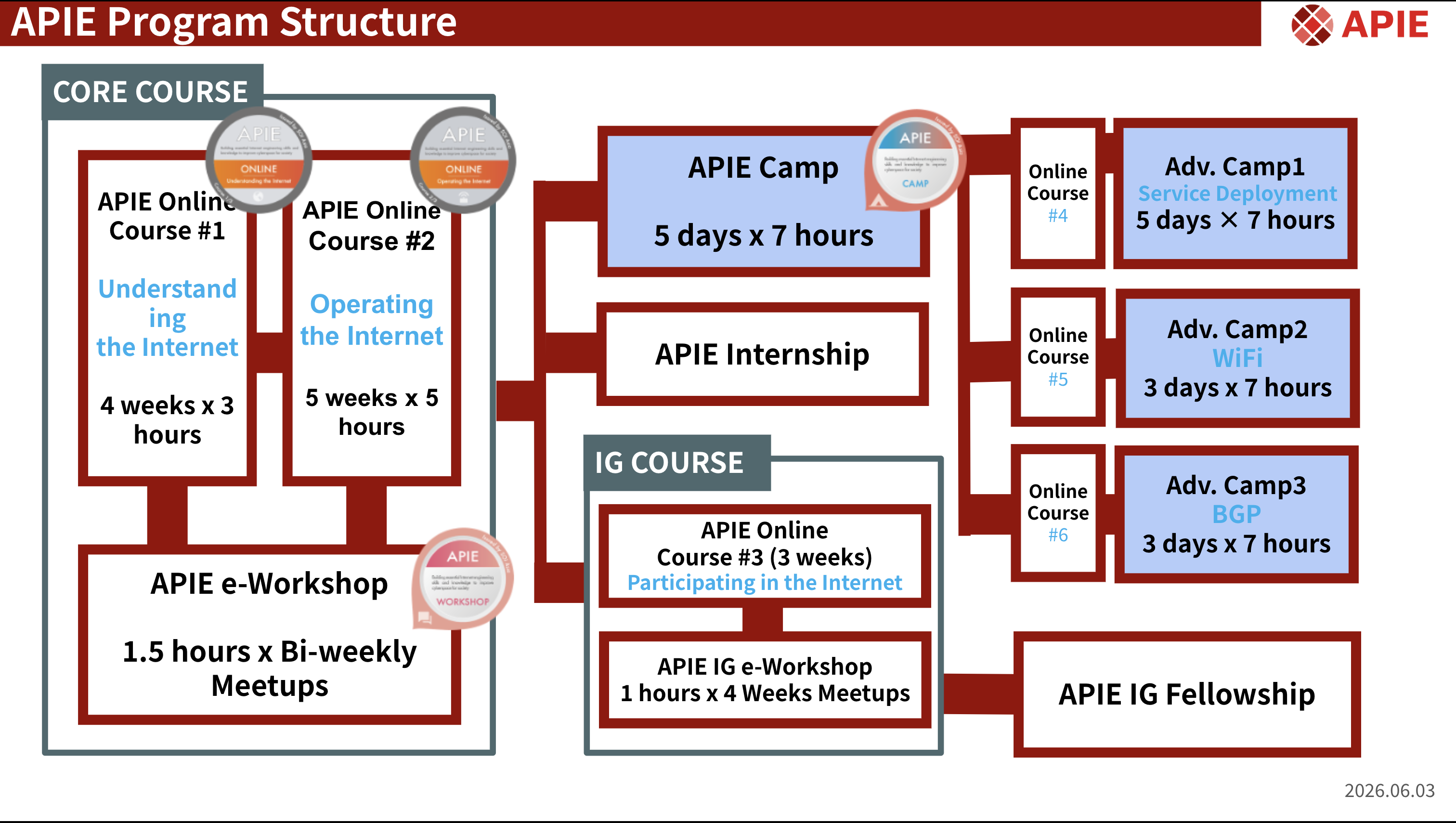
At the center of the program is Participating in the Internet, a three-week self-paced online course introducing the evolving field of Internet governance and the communities involved in maintaining and improving the global Internet. Learners then joined four weekly online sessions designed to deepen understanding through dialogue and reflection.
One distinctive aspect of the initiative was its effort to help learners understand Internet governance from a broader perspective. Rather than focusing only on institutions or isolated events, the content encouraged participants to explore how the Internet ecosystem has evolved over time and how different communities contribute to shaping it.
“The content created for this course helps learners step back and see Internet governance from a broader perspective, rather than looking at individual events in isolation.”
— Shun Arima
For Shun Arima, videographer and course designer, one of the unique strengths of the program lies in the way it helps learners see the bigger picture.
“One of the values of this course is the variety of original content created exclusively for the online course. For example, the timeline we developed as a team,” he explained. “Rather than looking at individual events in isolation, it helps learners step back and see Internet governance from a broader perspective—understanding how different developments and communities connect over time.”
The synchronous sessions then complemented this foundation through discussion. Unlike the technical focus often seen in the APIE Core Course e-Workshops, this pilot emphasized peer dialogue rather than external guest lectures. Through breakout conversations, learners explored questions without fixed answers, reflecting on topics such as What is a healthy Internet?, How can we make the Internet healthier?, and How can individuals participate in Internet-related discussions and communities?
A pilot rooted in the APIE community
The first run intentionally began as a small pilot, welcoming those who had already engaged deeply with APIE as teaching assistants (TA), Network Operations Center (NOC) team members, or related internship experiences. By building on an existing community of technically experienced learners, the organizers hoped to test both the structure and learning approach in a supportive environment.
In total, 25 participants joined the program from SOI Asia partner institutions across Bangladesh, Indonesia, Malaysia, Myanmar, Nepal, and Vietnam, representing a mix of universities and Internet community experiences. The cohort included seven female and eighteen male students, bringing together alumni with different backgrounds but a shared interest in better understanding the wider Internet ecosystem.
According to the organizing team, this composition helped create an especially engaged atmosphere. Many arrived with strong motivation and a clear sense of purpose—some eager to reconnect with peers after earlier involvement in camps and workshops, others curious about how to deepen their engagement beyond technical training.
At times, the atmosphere even felt like a reunion. Several learners described the experience as an opportunity to reconnect with the APIE community after time away, creating a warm and highly collaborative environment that also helped make the pilot remarkably smooth to facilitate.
At the same time, the organizers emphasize that this alumni-centered cohort was intentionally designed for the first run. The broader vision is to make the initiative accessible to a much wider audience—including people from non-technical backgrounds—recognizing that shaping the future of the Internet requires contributions from many perspectives, not only engineers.
Learning through dialogue
Rather than relying primarily on lectures, the e-Workshop series centered on conversation.
Each weekly session introduced a key theme connected to the online content, followed by breakout-room discussions in smaller groups. Learners exchanged perspectives, discussed current Internet-related issues, reflected on governance challenges, and practiced expressing opinions in English about topics with no single correct answer.
As the sessions progressed, many gradually became more comfortable contributing in English and engaging in conversations that mirrored the kinds of exchanges found in broader Internet governance spaces.
Mariko Kobayashi, one of the course lead designers, explained that one of the strongest motivations behind the initiative came from her own experience as a student.
Interested in Internet governance from an early stage, she often found it difficult to identify accessible opportunities to deepen her understanding or become more involved. Even after years of participating in fellowships and Internet community activities, she continued to feel that beginner-friendly entry points remained limited—particularly for those without technical backgrounds.
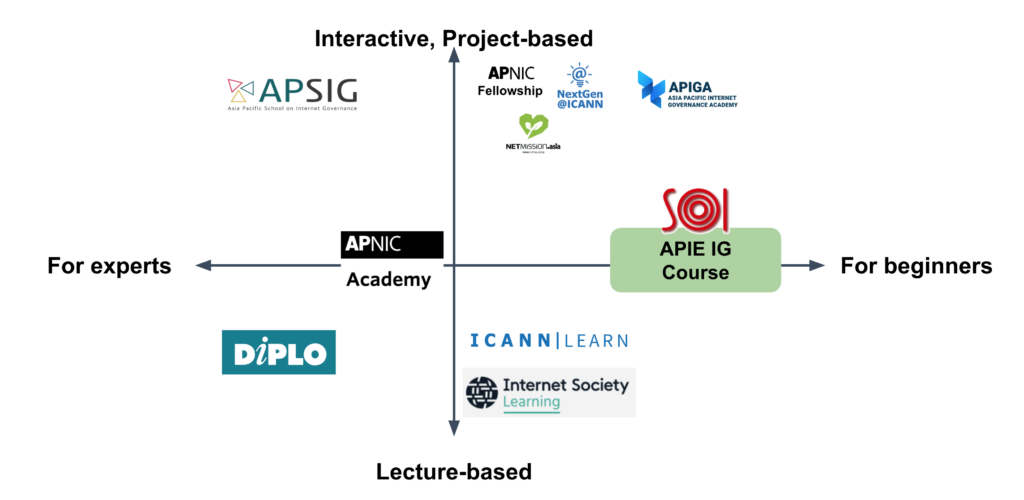
For her, this initiative became an opportunity to help bridge that gap.
“I always felt that having a course like this would be helpful for many people,” she reflected. “There should be more opportunities for people—including those from non-technical backgrounds—to understand the bigger picture and discover how they can participate in the Internet.”
This perspective also shaped the philosophy of the initiative. Rather than focusing only on technical audiences, the learning experience was intentionally designed to welcome people interested in policy, community engagement, civil society, education, and international development—recognizing that shaping the future of the Internet requires participation from many different perspectives.
“There should be more opportunities for people—including those from non-technical backgrounds—to understand the bigger picture and discover how they can participate in the Internet.”
— Mariko Kobayashi
From learning to participation
The final online session brought together 25 participants and featured APIE alumni sharing personal journeys into the global Internet ecosystem through internships and fellowship opportunities. Speakers reflected on experiences with organizations and forums such as APNIC, APAN, ICANN, APNG and others, offering practical insight into what “participating in the Internet” can actually look like.
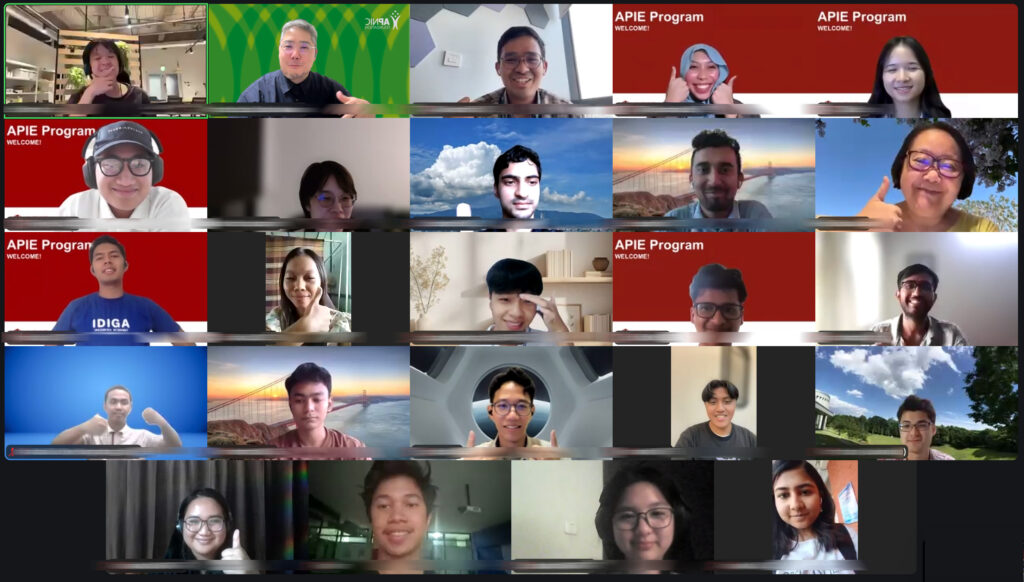
For Korry Luke, course co-designer, one of the important messages of the initiative is that contributing to the future of the Internet does not follow a single path. “Participating in the Internet community can take many forms,” he reflected. “We wanted learners to see that there are different ways to get involved and contribute.”
More than a guest session, it became an opportunity to visualize possible pathways forward—from technical education to broader involvement in policy discussions, regional meetings, and Internet community activities.
“Participating in the Internet community can take many forms and we wanted learners to see that there are different ways to get involved and contribute.”
— Korry Luke
For the organizers, this next step is where the long-term impact of the program may begin.
“This is where the real journey starts,” reflected the course team, emphasizing that future success may not only be measured by completion, but by how learners continue engaging with the Internet community beyond the classroom.
Looking ahead
The first run of the APIE IG Course served as a pilot, offering valuable lessons on facilitation, scheduling, and participant engagement. More importantly, it revealed growing interest among young Internet practitioners in understanding the broader systems, communities, and governance processes that shape the digital world.
As the APIE learning pathway continues to evolve, this initiative offers a new opportunity to move beyond operating the Internet—to participating in its future.