
From 30 March to 3 April 2026, the APIE (Asia Pacific Internet Engineering) program held its ninth camp at Universitas Brawijaya (UB) in Malang, Indonesia, bringing together undergraduate students from across the region for an intensive, hands-on learning experience in Internet engineering.
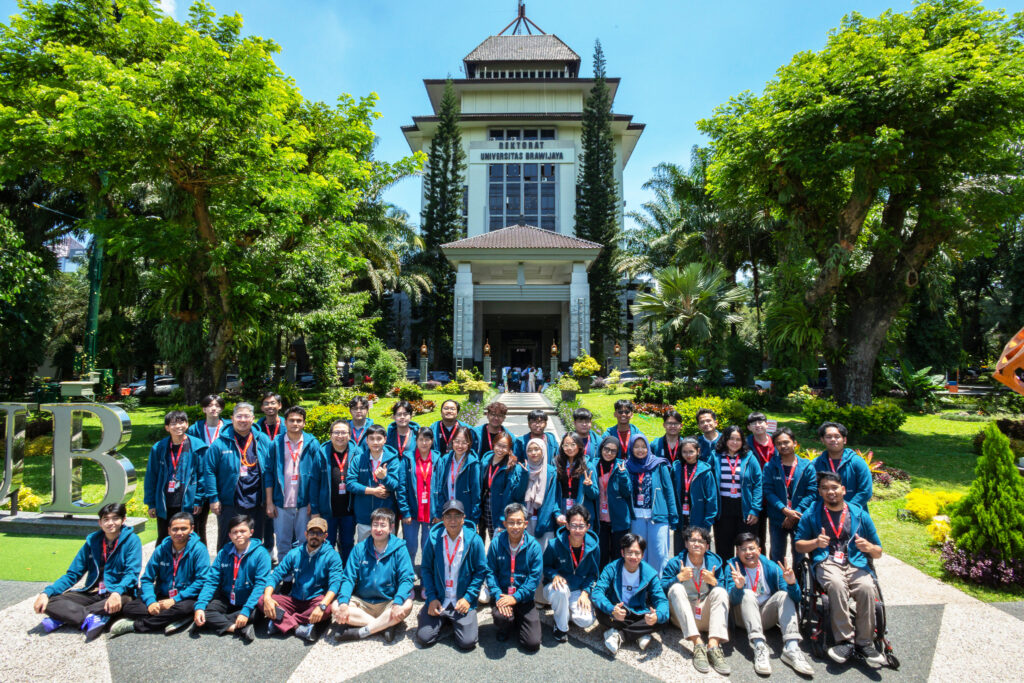
This edition welcomed participants from Bangladesh, Indonesia, Japan, Myanmar, Malaysia, the Philippines, and Vietnam, reflecting the continued expansion and diversity of the APIE learning community. Participation by women remains an area for continued attention, with six female students and one teaching assistant joining this cohort.
A five-day journey from infrastructure to applications
The camp was structured as a five-day immersive program, combining lectures with hands-on exercises designed to simulate real-world network environments.
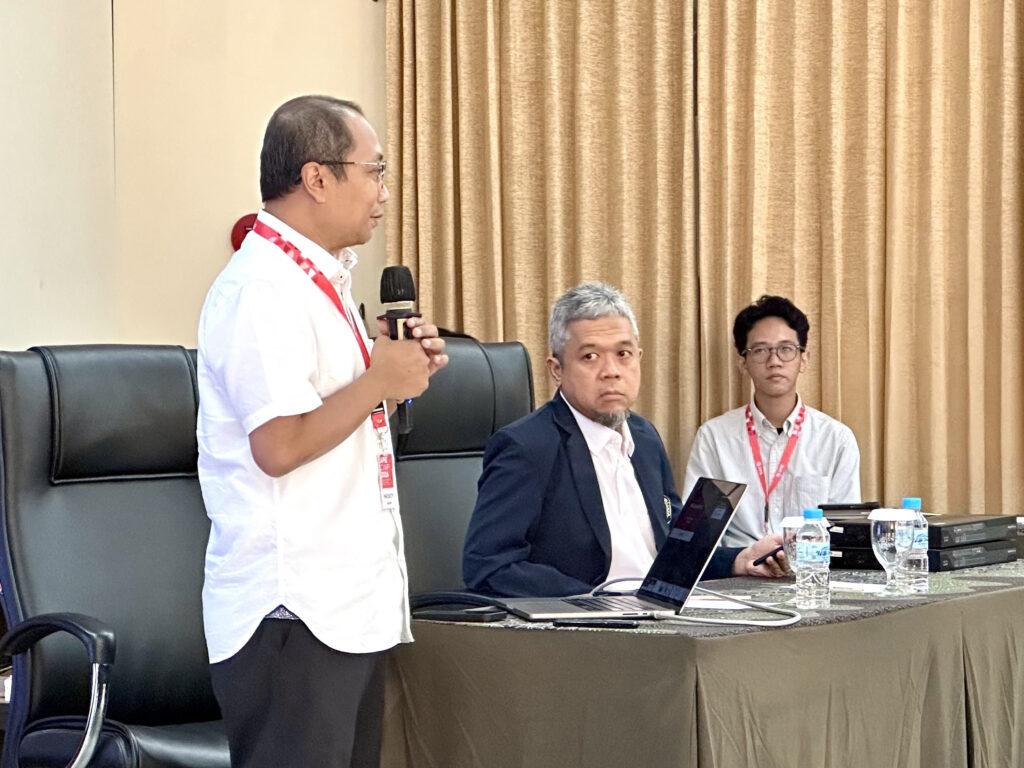
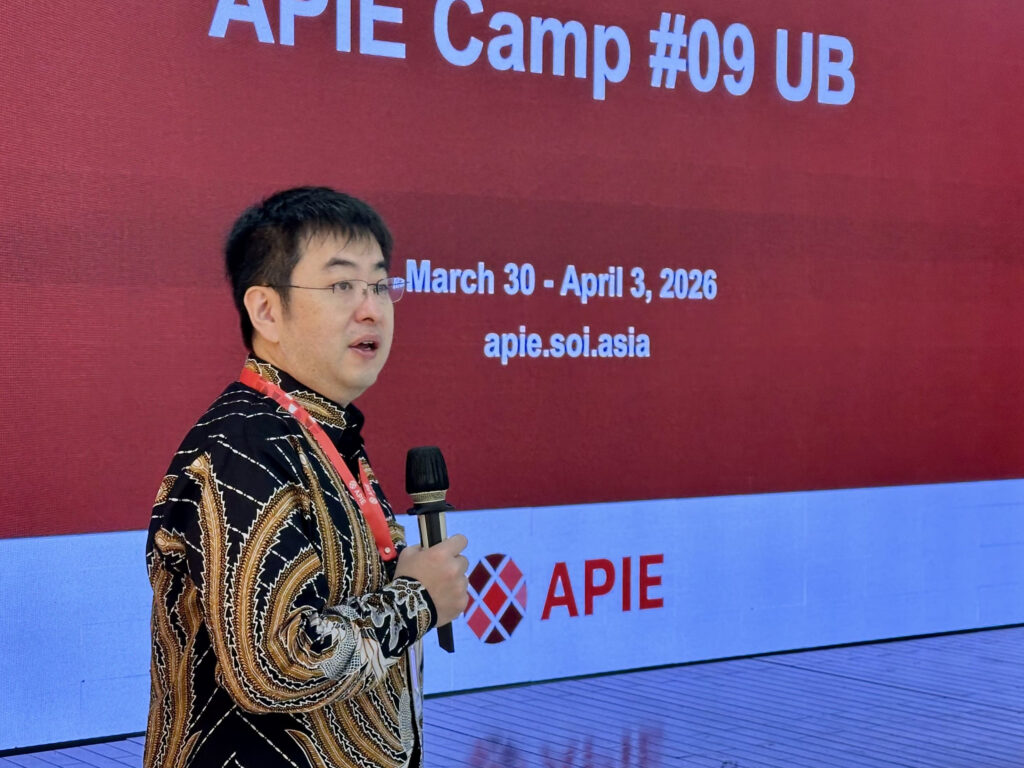
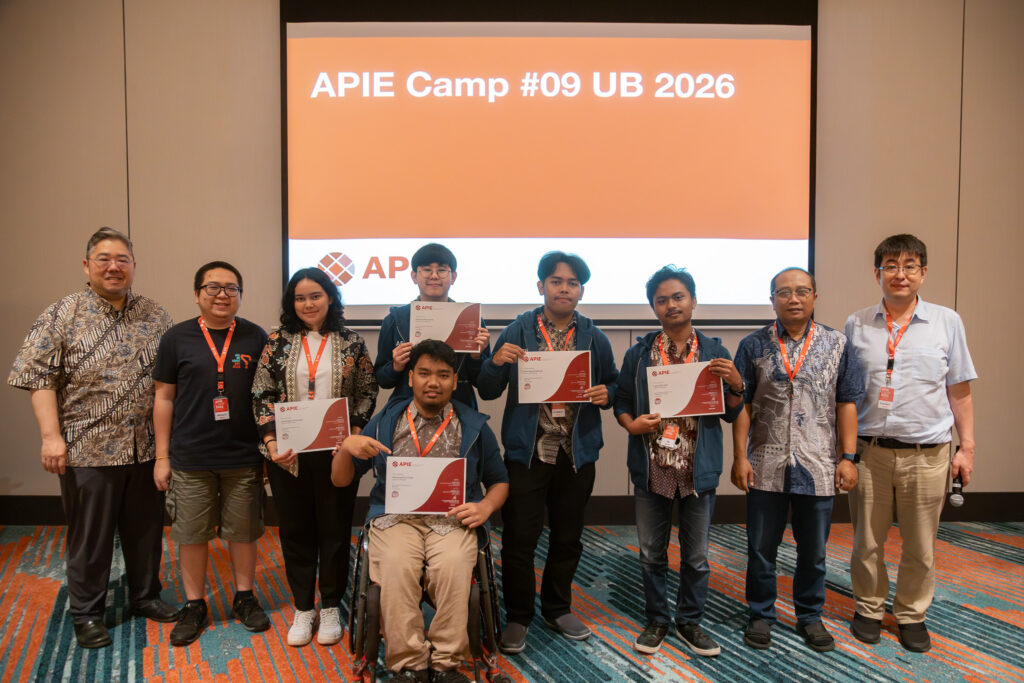
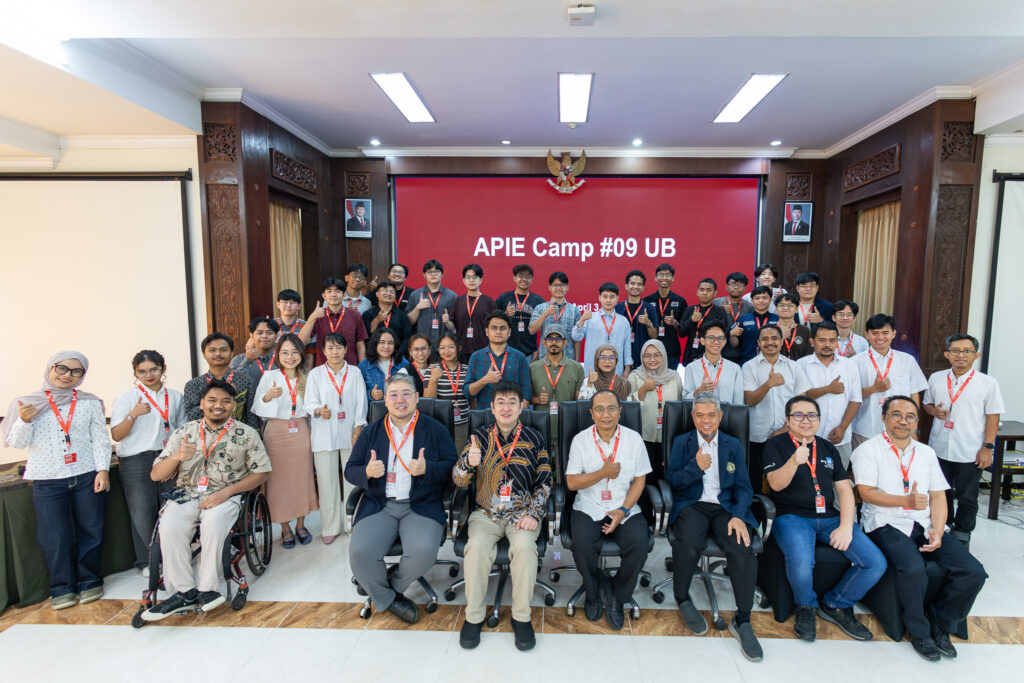
The program opened with welcoming remarks that set the tone for the week. Host organization lead Achmad ‘Abazh’ Basuki (UB) shared reflections from his own journey as a student and past engagements at UB, including earlier regional initiatives, while APIE program lead Noriatsu Kudo (Keio) highlighted the importance of community within APIE. Dr. Ismiarta Aknuranda, Head of Sub-directorate of Systems and Applications, Directorate of Information Technology, closed the session by delivering encouraging words to participants, followed by a group photo marking the start of the camp.
Day 1 – Network Deployment
An icebreaking session led by the teaching assistants introduced a collaborative and energetic atmosphere, helping participants quickly connect across institutions and backgrounds.
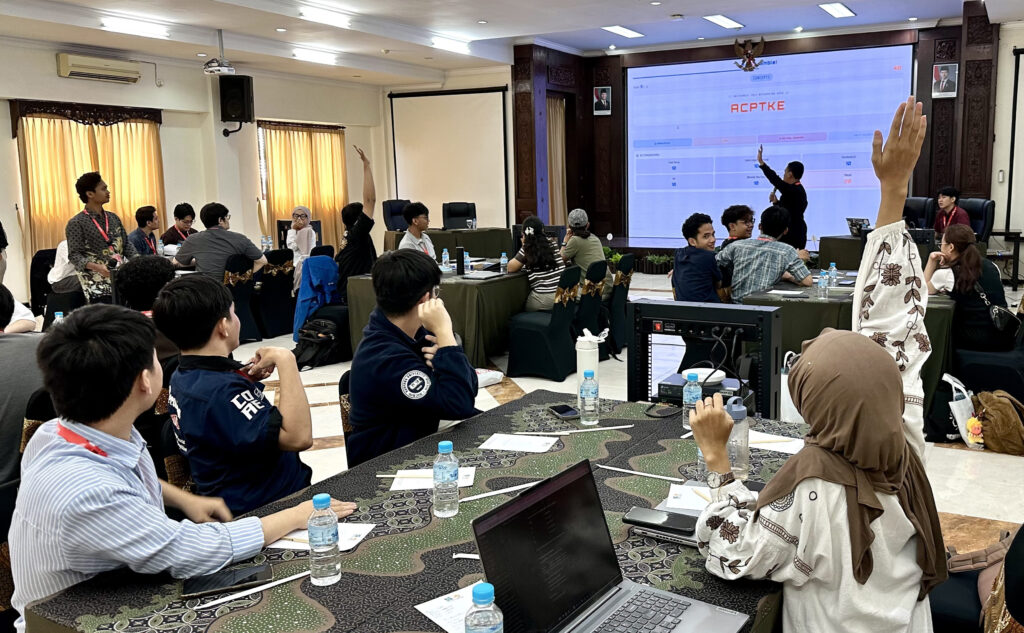
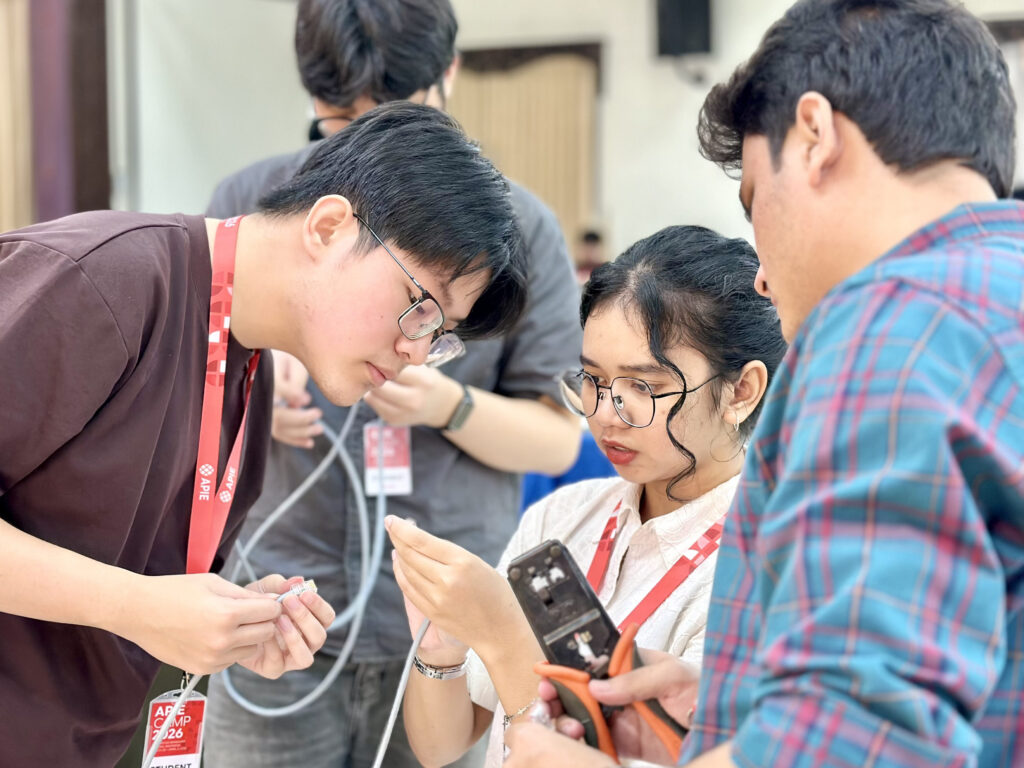
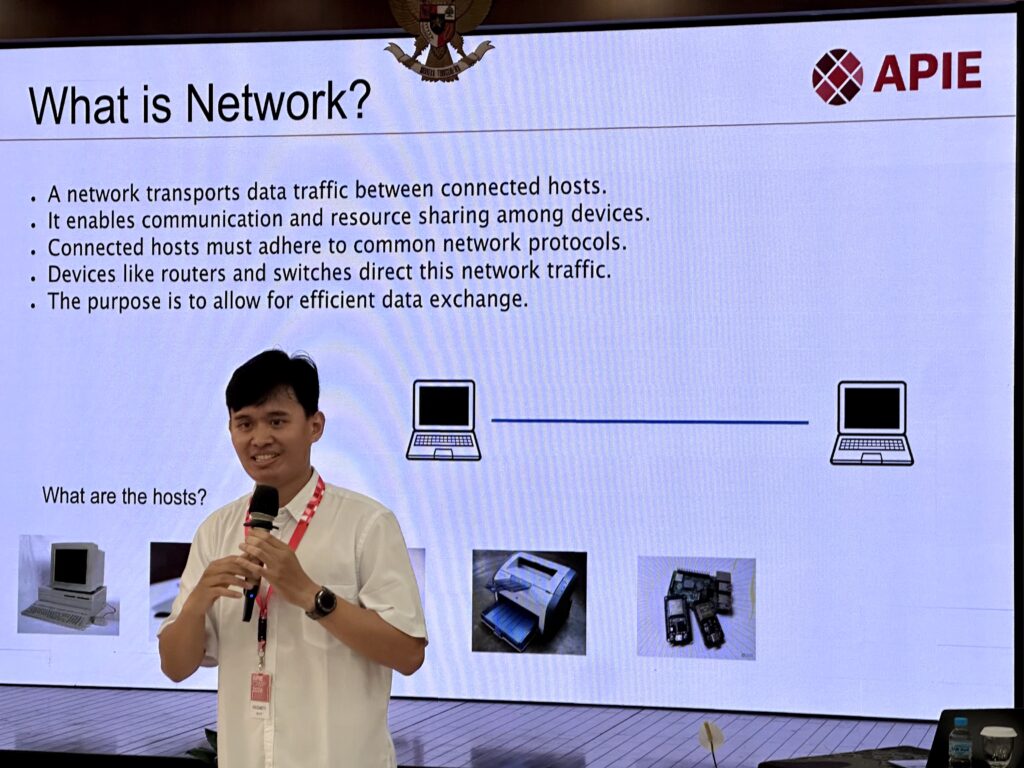
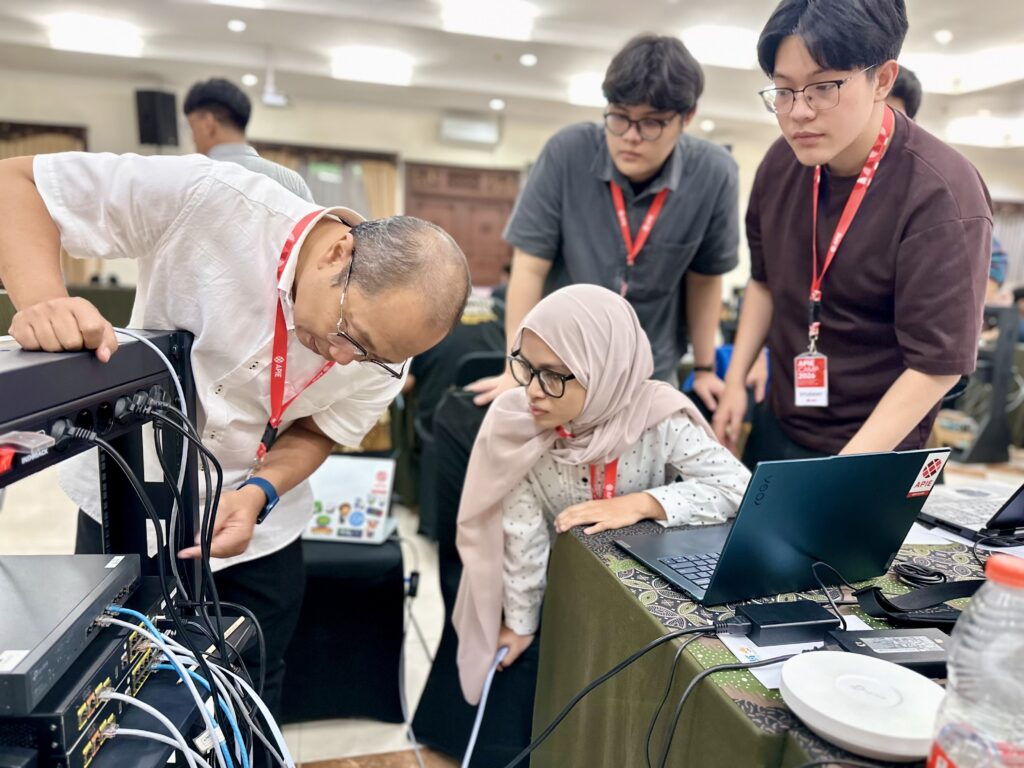
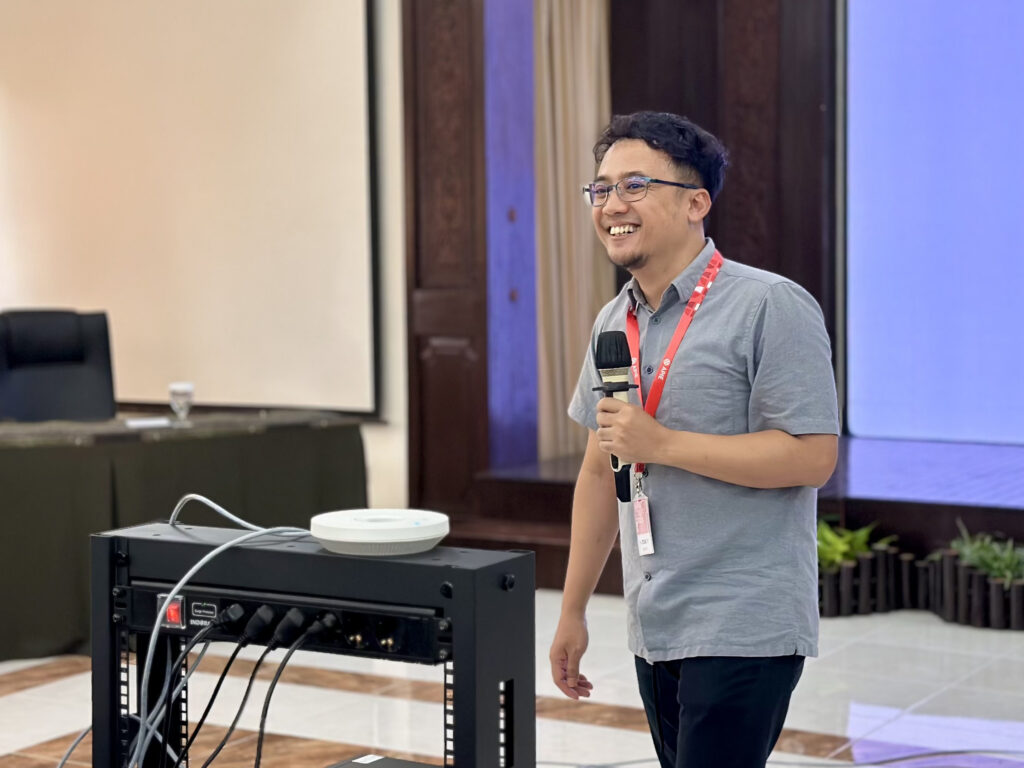
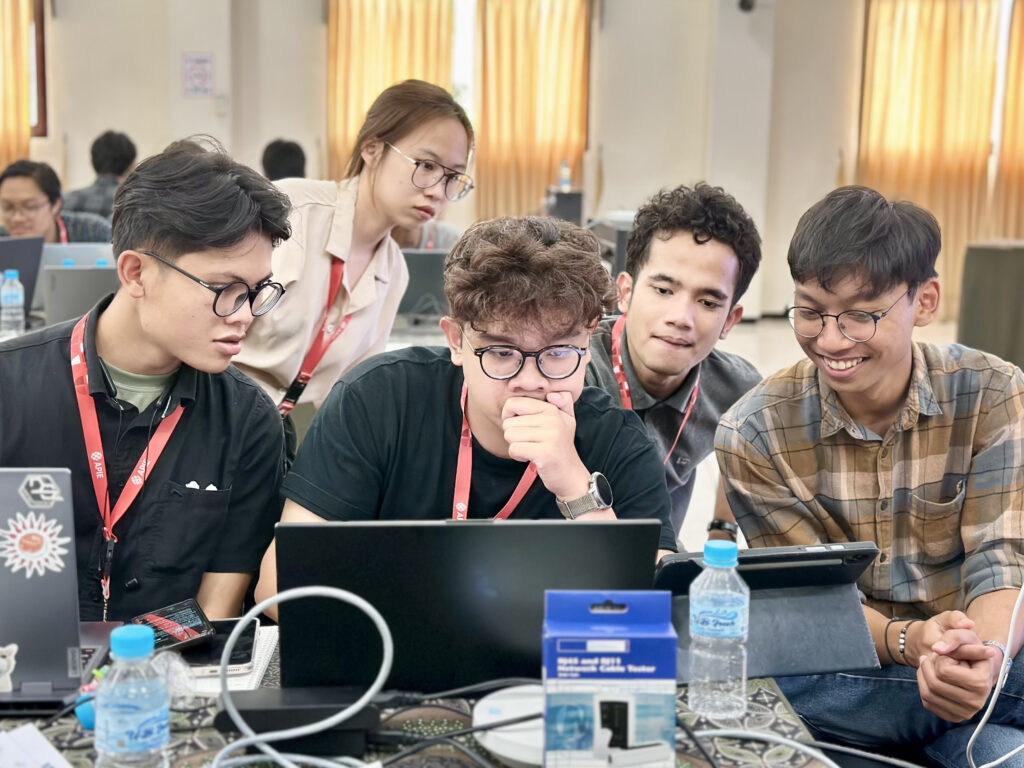
The first session focused on the foundations of Internet engineering, including network cabling and device interconnection, as well as fundamentals of network design and implementation such as IP addressing, VLAN configuration, NAT, and OSPF routing.
Day 2 – Network Virtualization
Introduction to hypervisors and Linux-based environments, supporting scalable and flexible infrastructure.
Day 3 – DNS
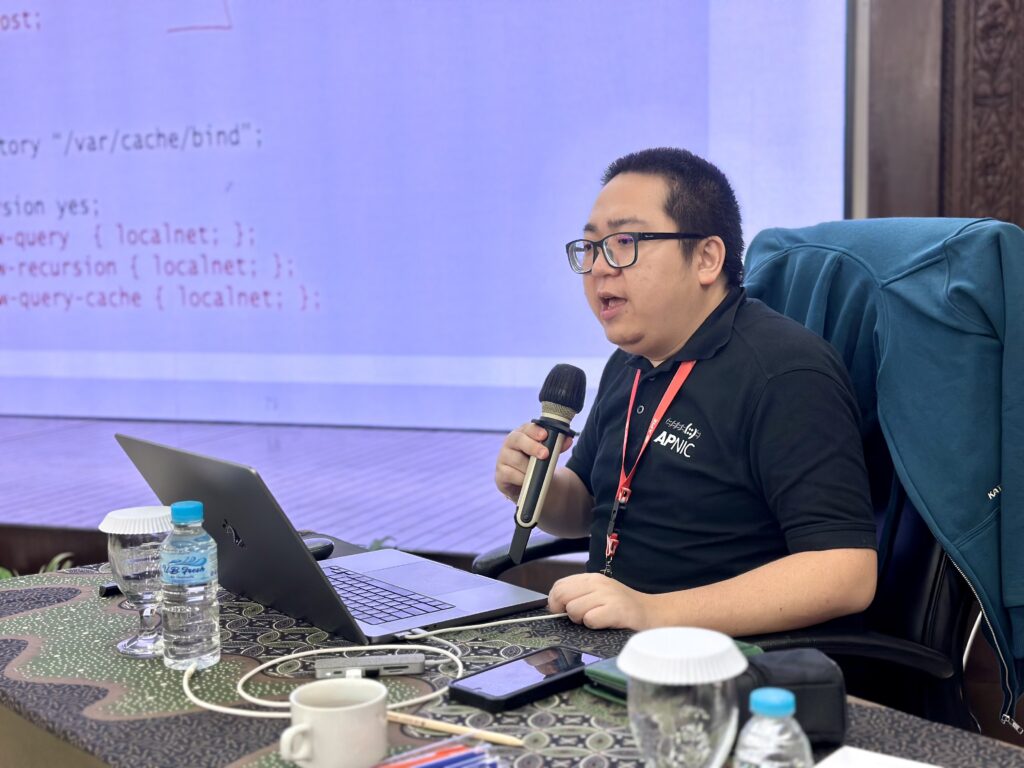
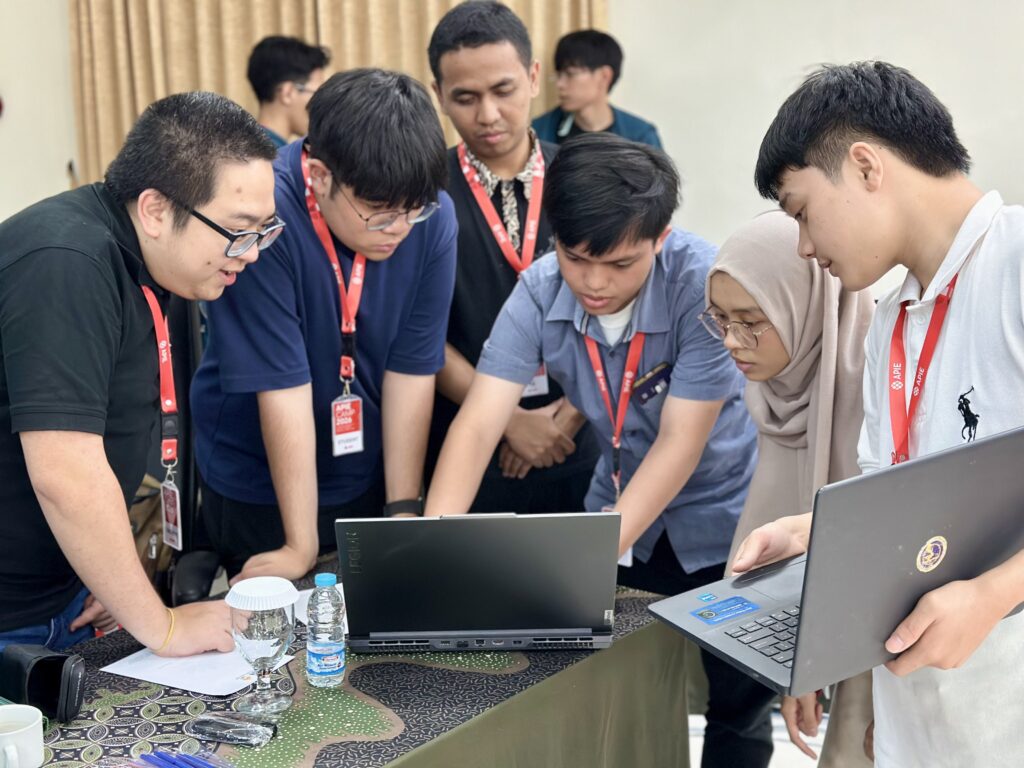
Hands-on configuration of DNS systems, including secondary servers, guided by experts from the technical community.
Day 4 – IoT & Cloud Computing
Exploration of IoT systems and cloud services, connecting infrastructure to real-world applications.
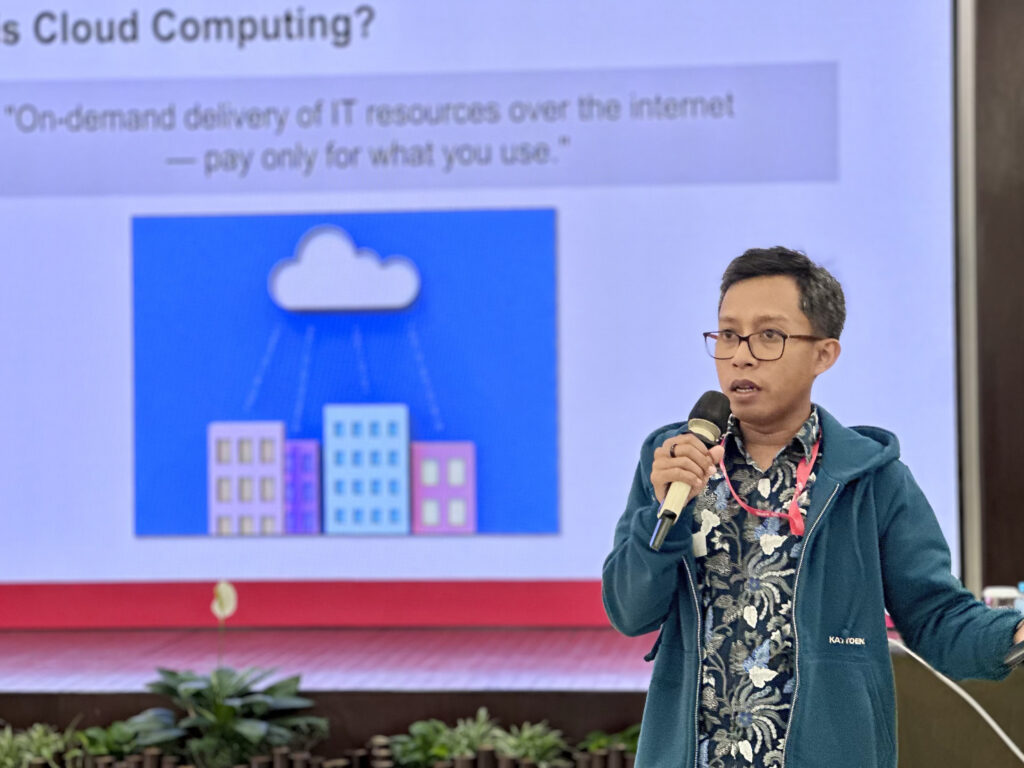
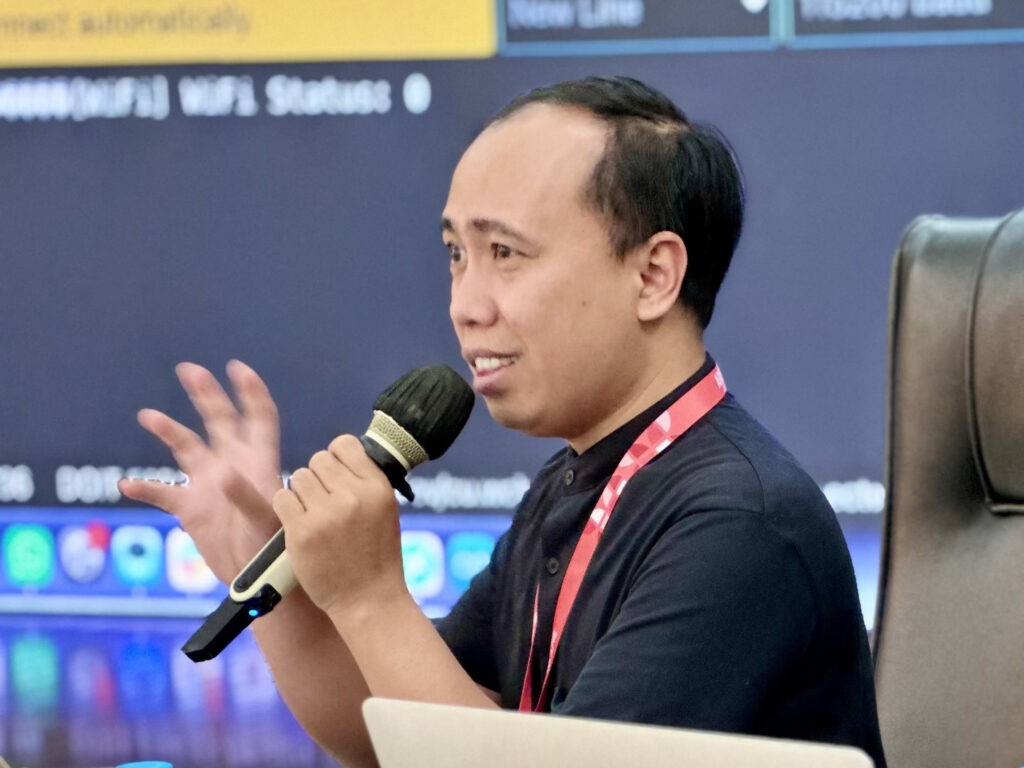
Each day combined conceptual overviews with extended hands-on sessions, enabling participants to apply what they learned in a collaborative environment.
DAY 5 – Industry visit and Final Presentations
The final day of the camp took place in Surabaya, connecting the technical learning from previous sessions to real-world infrastructure.
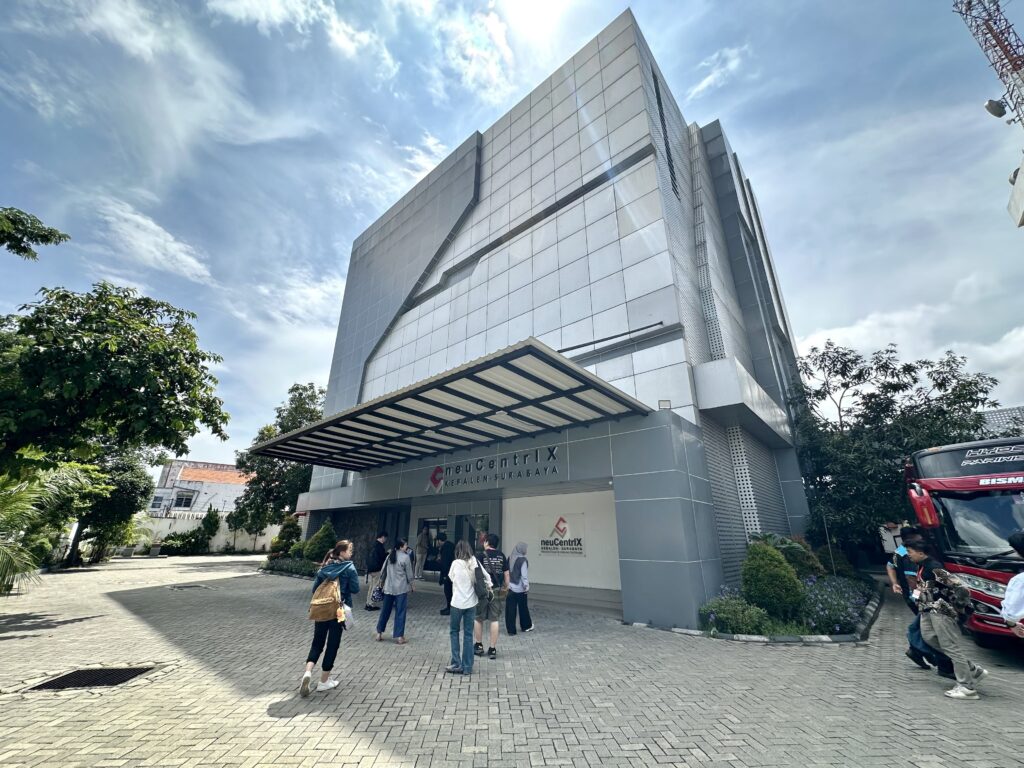
Participants visited newCentrIX Kebalen Surabaya, a Neutral Cloud and Internet Exchange facility, where they were introduced to operational environments supporting cloud services and Internet interconnection. The visit offered a closer look at how infrastructure is deployed and managed in practice, complementing the hands-on work carried out during the camp.
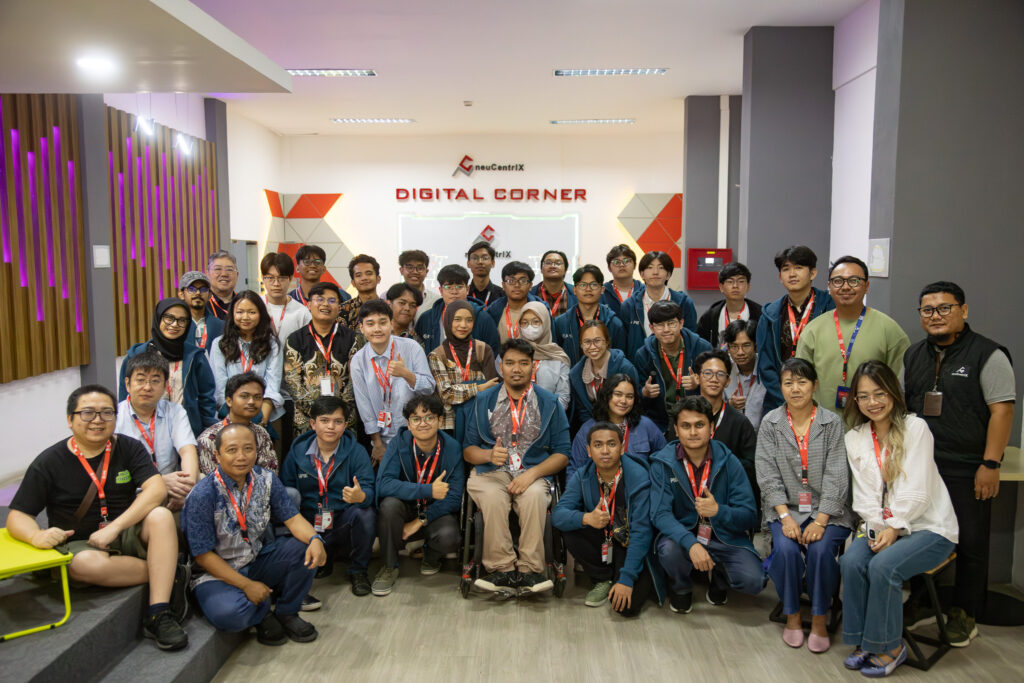
Following the visit, participants delivered their final group presentations, showcasing projects developed throughout the program. The topics reflected a range of practical applications of networked systems, including temperature peak monitoring, noise detection in hotels, crop protection from bird attacks, automated school attendance, and health monitoring in hospitals.
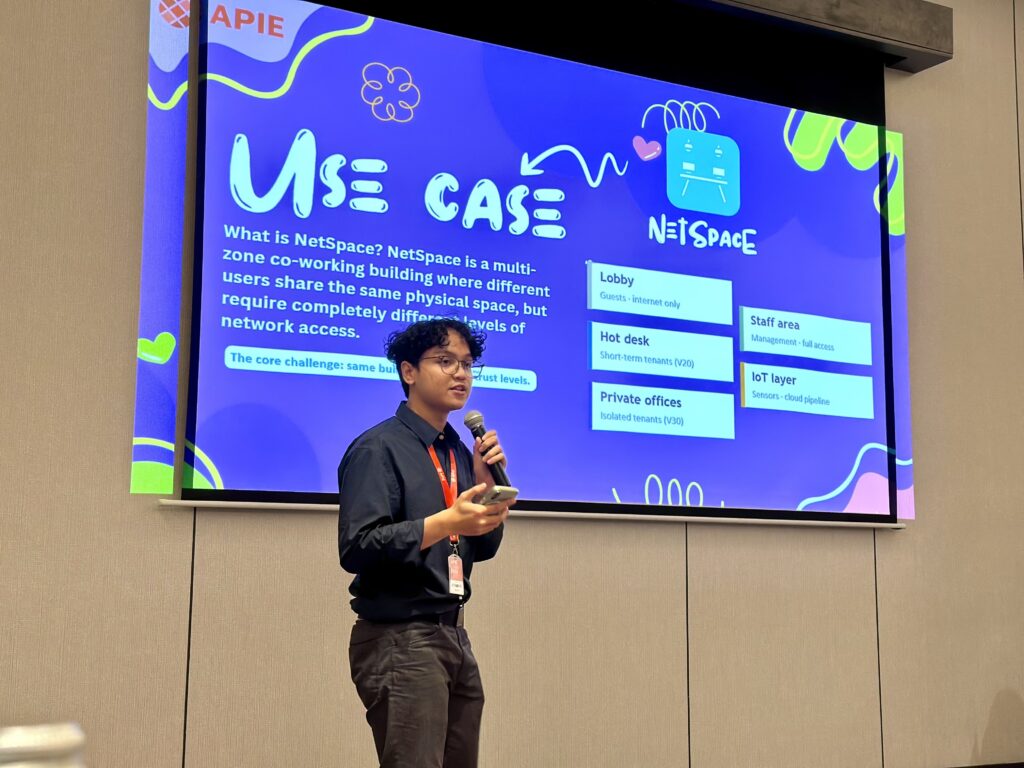
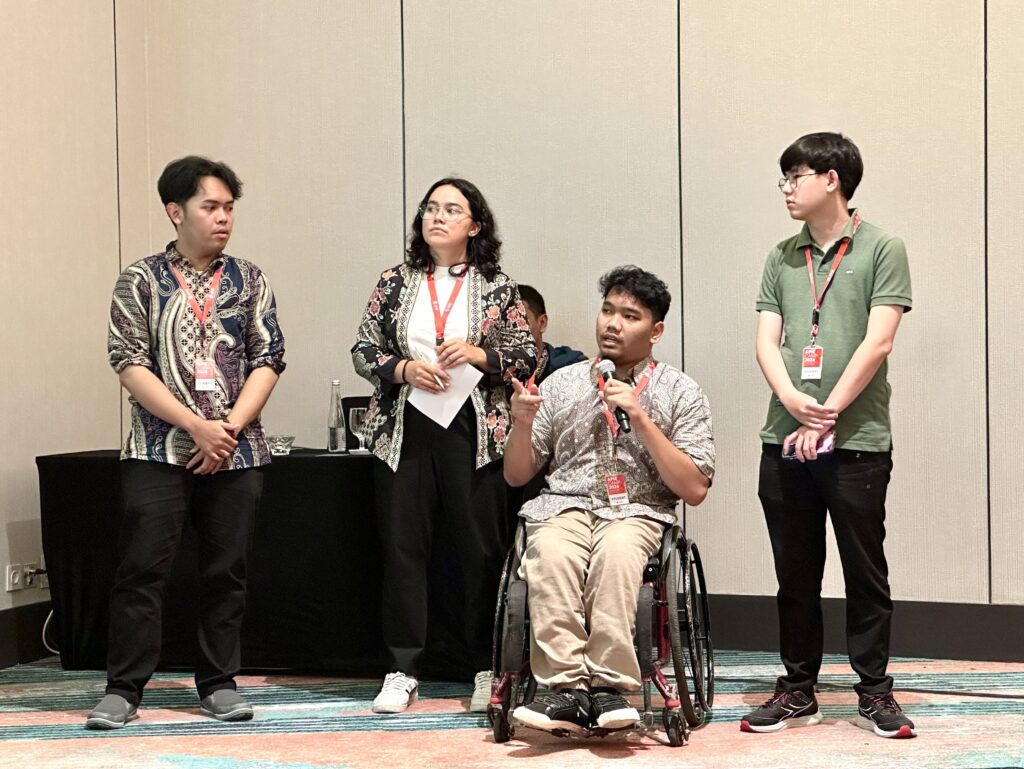
These presentations highlighted how foundational Internet engineering concepts can be applied to real-world challenges across different domains.
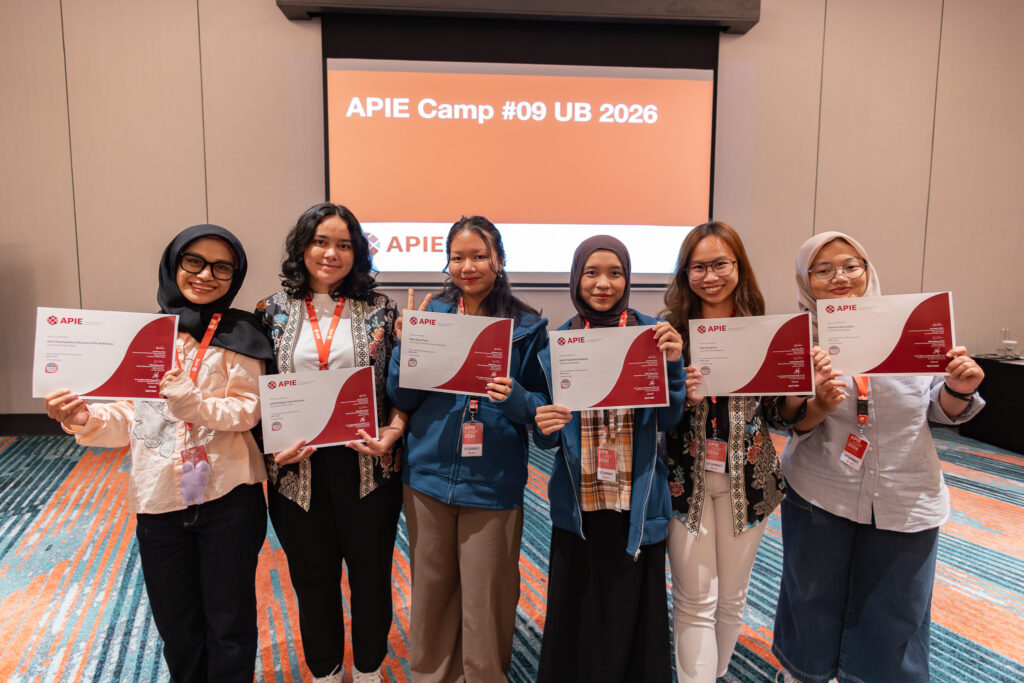
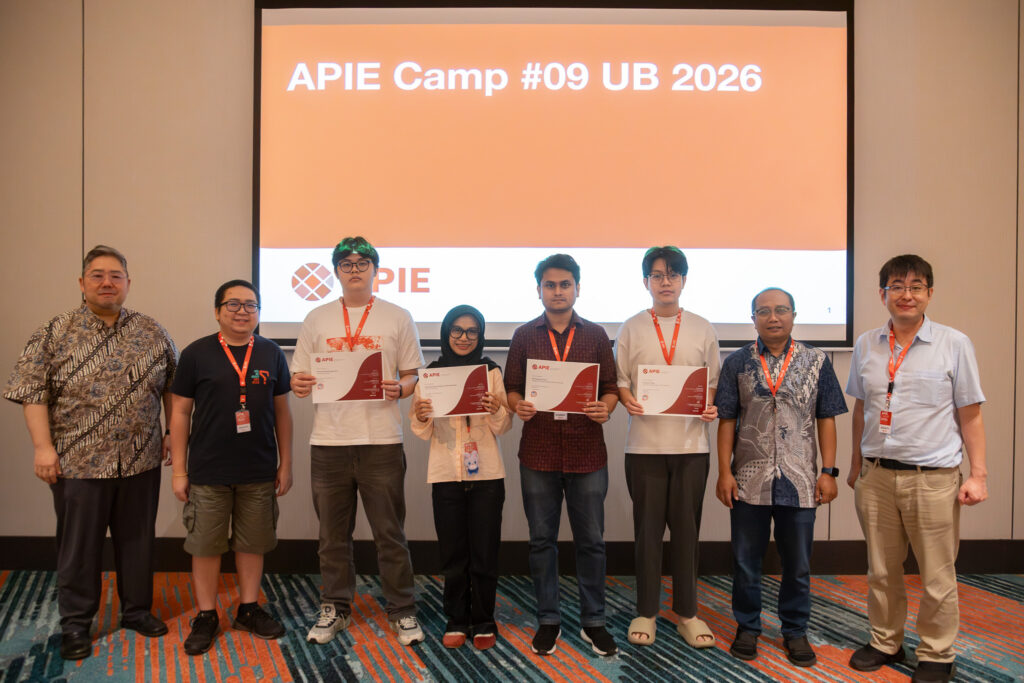
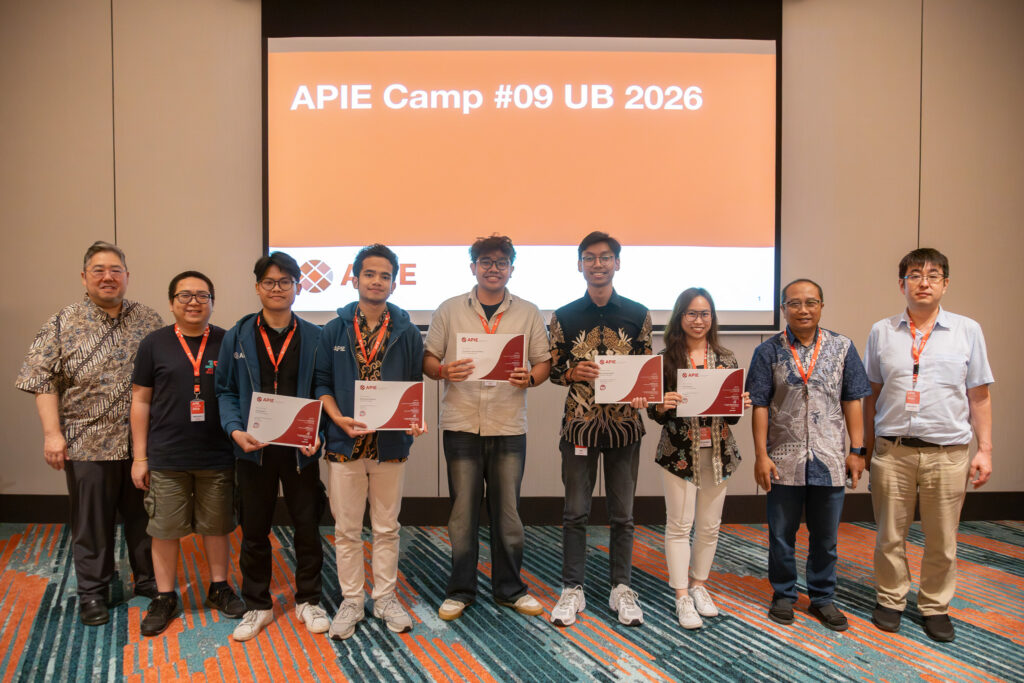
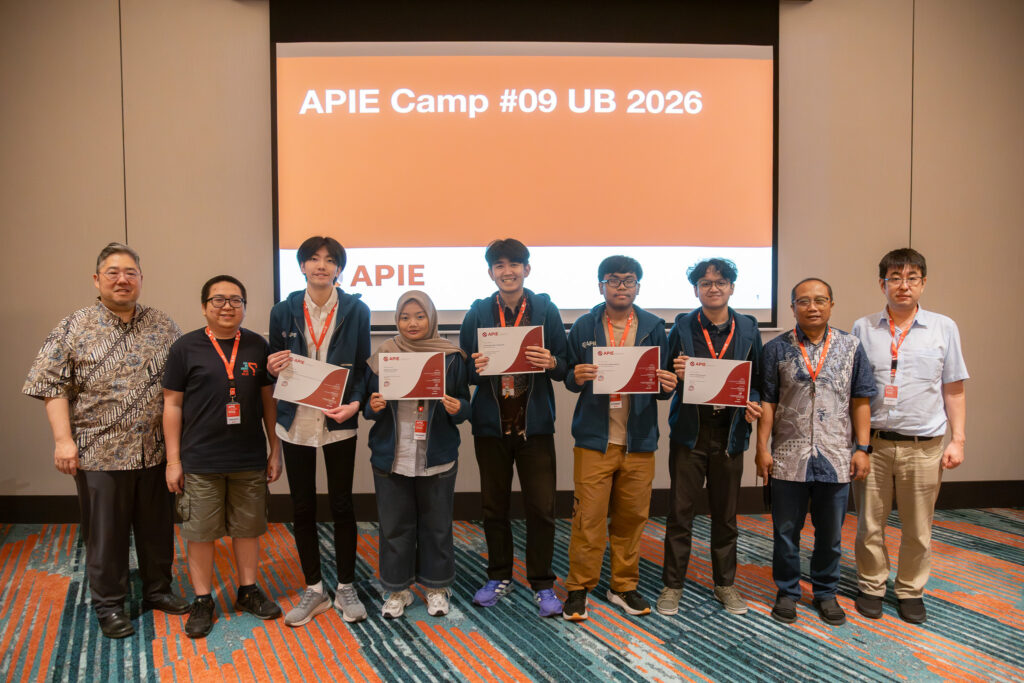
The day concluded with a closing dinner and certificate ceremony, marking the completion of the on-site program and celebrating the participants’ achievements.
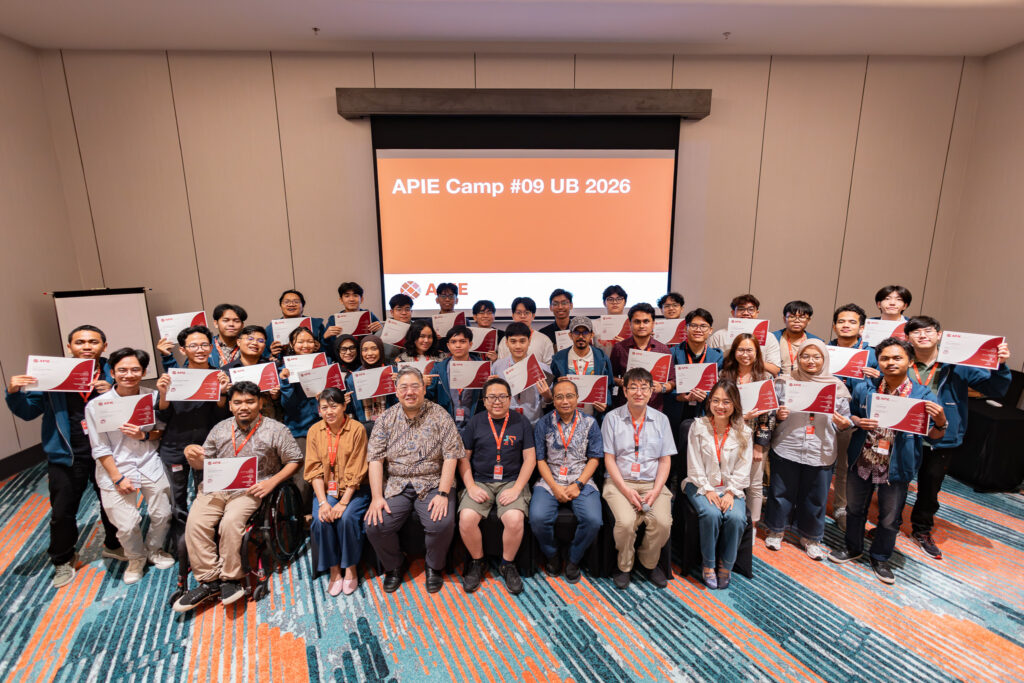
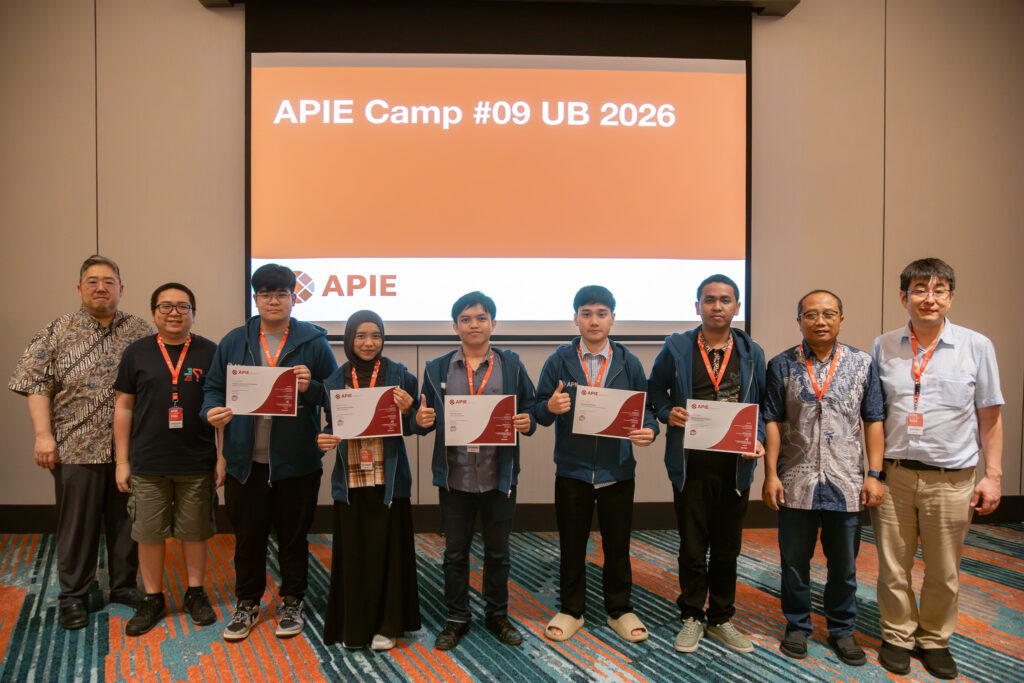
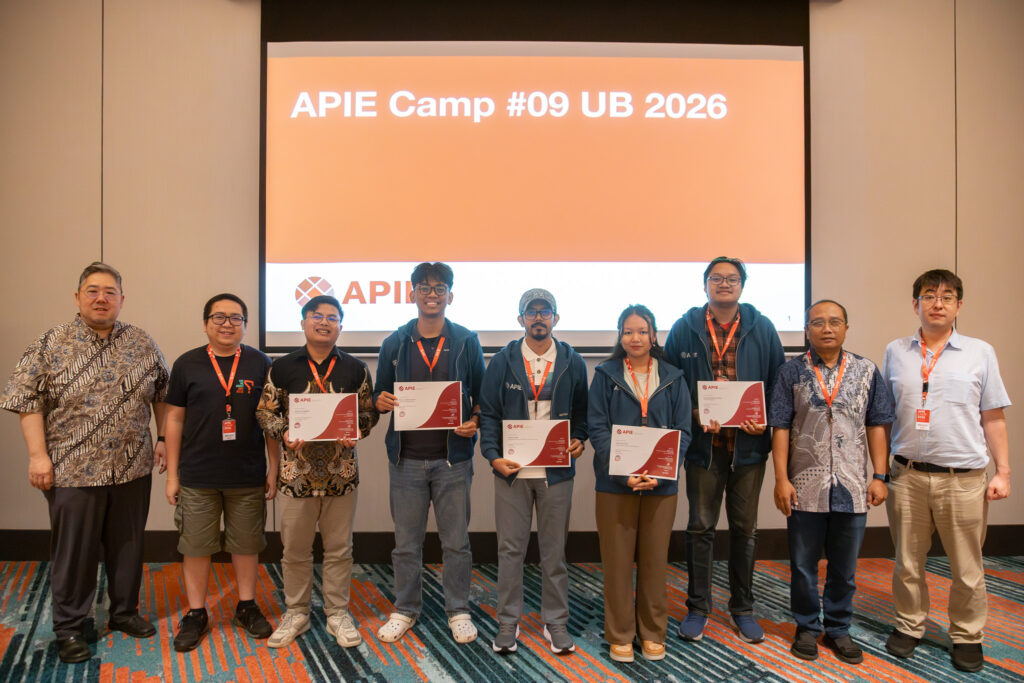
A collaborative learning environment
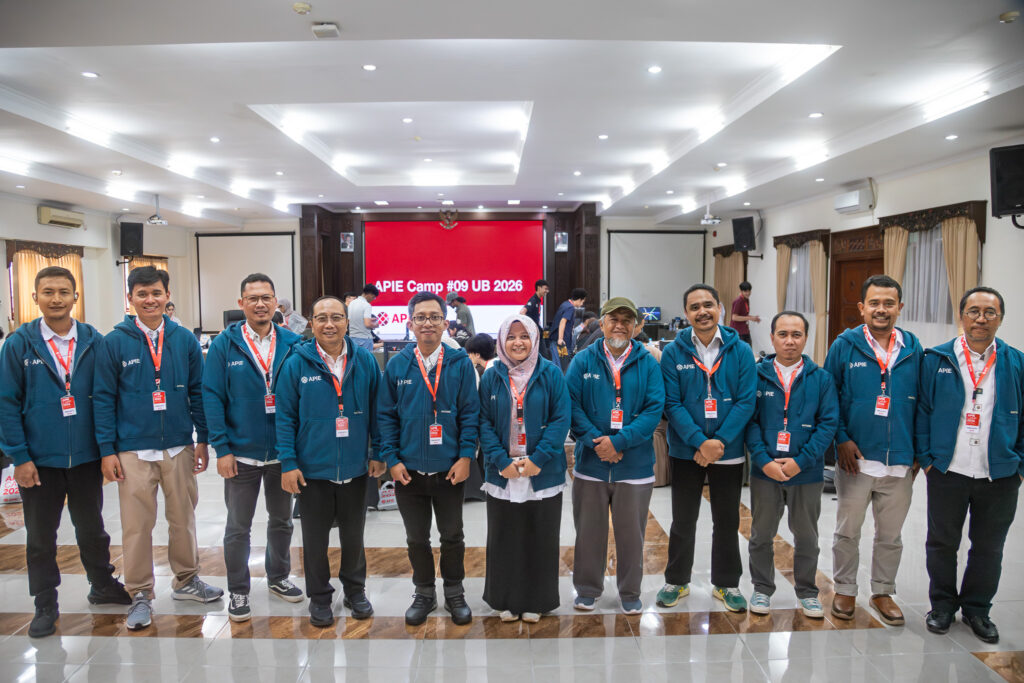
A key element of the camp was the support provided by the NOC (Network Operations Center) Team, composed of members from UB, Keio, and HUST.
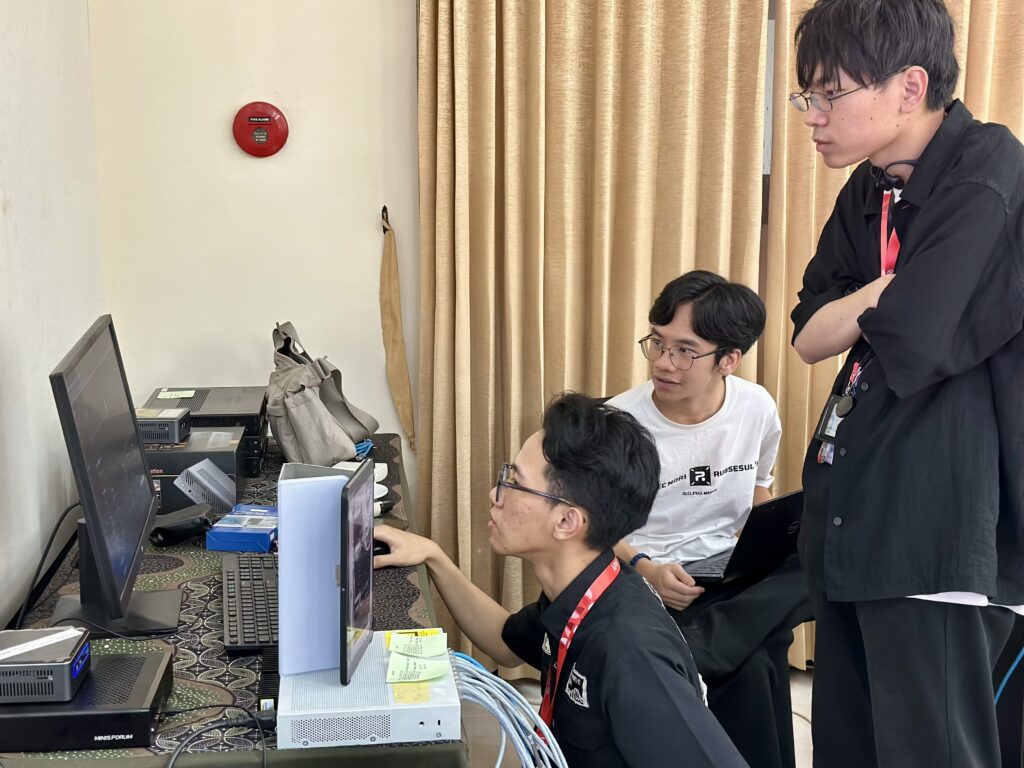
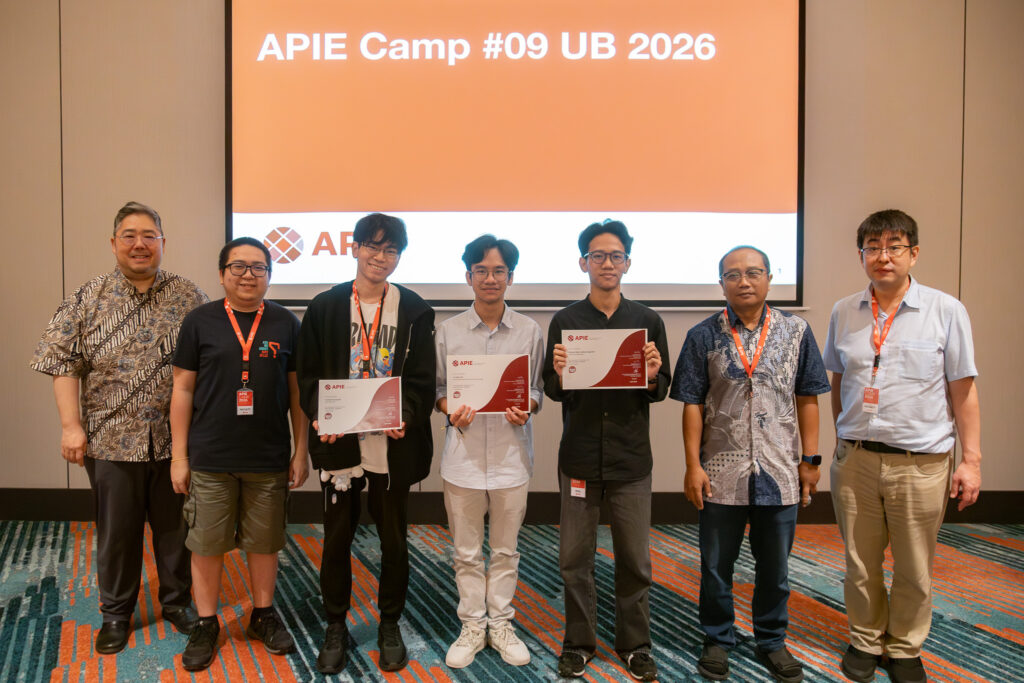
At the same time, all teaching assistants were from Universitas Brawijaya, playing an essential role in guiding participants throughout the hands-on sessions and supporting day-to-day learning.
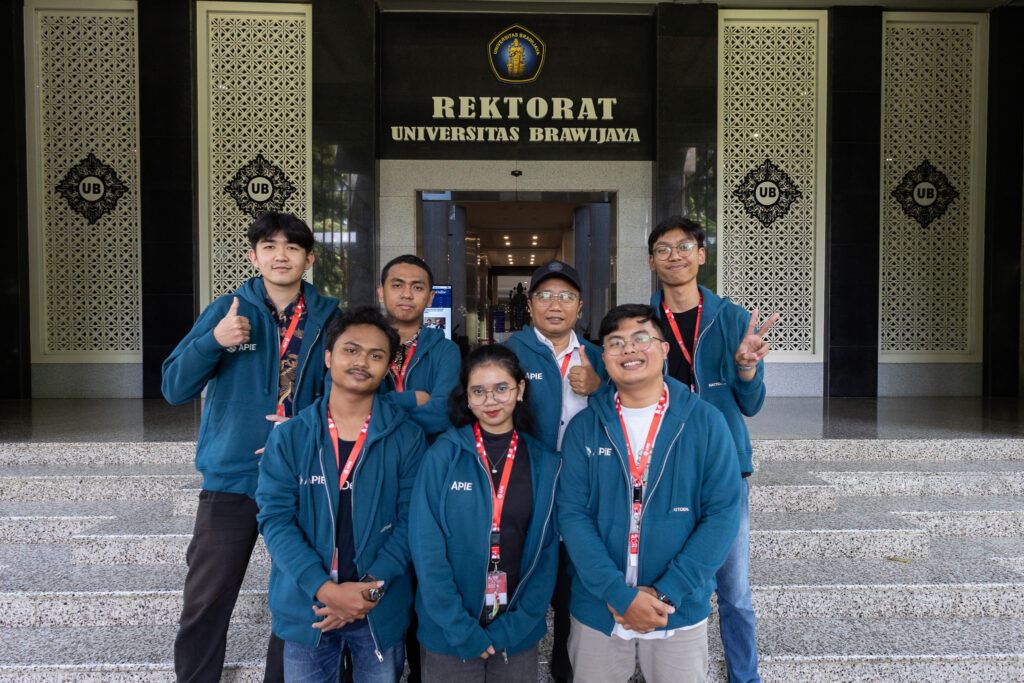
This edition also reflected a continued effort to involve early-career faculty members in delivering core components of the camp. By taking on teaching roles within the program, these lecturers gain experience in international, hands-on educational settings—contributing both to their professional development and to the sustainability of the APIE model.
A maturing model for regional delivery
Following previous camps hosted across partner institutions in Indonesia, this edition at UB highlights how the APIE camp model continues to evolve as a shared and locally supported format.
With increasing involvement from host institutions—both in technical delivery and operational support—the program demonstrates a growing capacity within the network to sustain and adapt the camp across different contexts, while maintaining its core learning experience.
Looking ahead
While the on-site program concluded in Surabaya, collaboration continues beyond the camp. Participants will further refine their group projects remotely, with a final online presentation scheduled for 24 April 2026.
The next APIE Camp will be held for the first time in Vietnam, hosted by a new SOI Asia partner, VNNIC, at its headquarters in Hanoi in August 2026—marking an important step in the program’s continued regional expansion.
Strengthening pathways in Internet engineering
APIE Camp #09 reflects the program’s ongoing effort to create practical, community-driven learning pathways in Internet engineering across the Asia-Pacific.
By combining technical depth, regional collaboration, and real-world exposure, the camp strengthens participants’ skills while connecting them to broader opportunities within the SOI Asia ecosystem.