
From 17–21 November 2025, the APIE Camp returned to Indonesia, hosted at the beautiful campus of Universitas Sam Ratulangi (UNSRAT) in Manado, Indonesia. The camp gathered 16 participants from 7 institutions, representing Indonesia, Japan, Malaysia, and Vietnam, for a week of hands-on learning, teamwork, and community building.
With this edition in Manado, APIE has now been hosted by all five SOI Asia partner universities in Indonesia — marking an important milestone in our collaboration across the country.
Led by SOI Asia and supported by the APNIC Foundation, the camp once again demonstrated the power of collaboration, curiosity, and a shared commitment to strengthening Internet engineering expertise across borders.
A Strong Community of Alumni and Partners
This camp stood out for its exceptional level of alumni engagement. A number of APIE alumni returned as NOC team members (from Indonesia, Malaysia, and Vietnam), teaching assistants and students supporters (from ITB and UB, in addition to the local ones)
Together with UNSRAT’s organizational staff and supporters from other universities, they prepared the camp environment, supported daily missions, and mentored participants throughout the week — a sign of the growing and self-sustaining APIE community.
Day 1 — Network Deployment
The camp opened with greetings from the Dean of the Faculty of Engineering at UNSRAT, Prof. Fabian Manoppo, followed by the Lead of the APIE Program, Noriatsu Kudo (Keio University), and Research and Education Development Officer, Marcos Sadao Maekawa (APNIC Foundation).
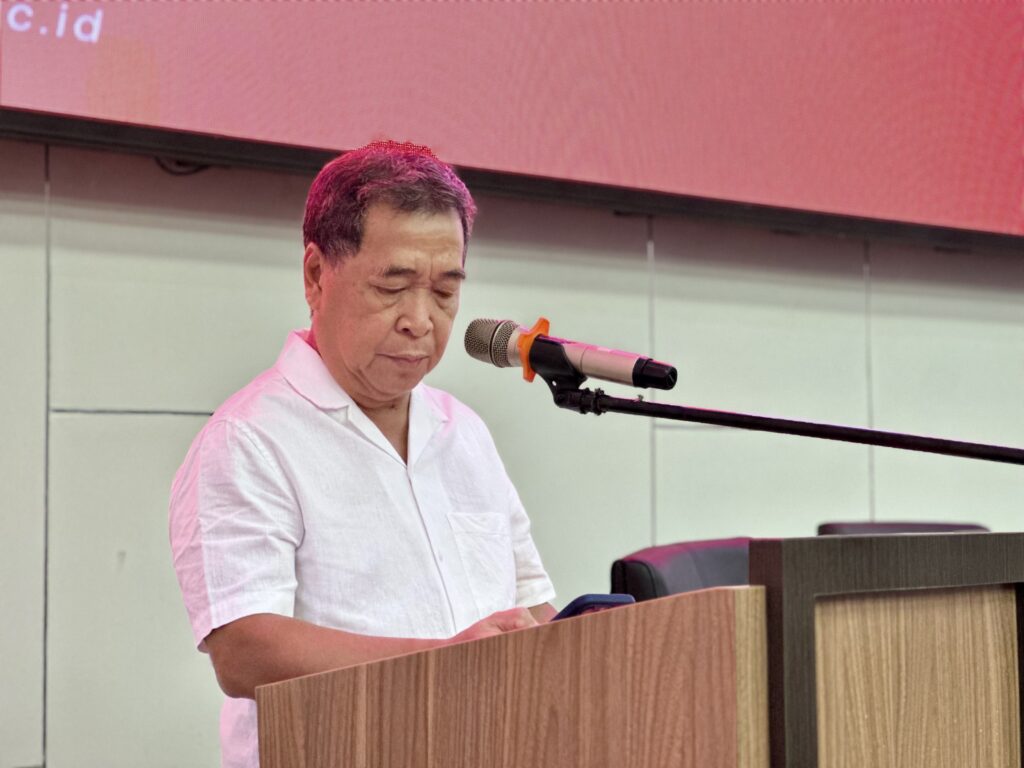
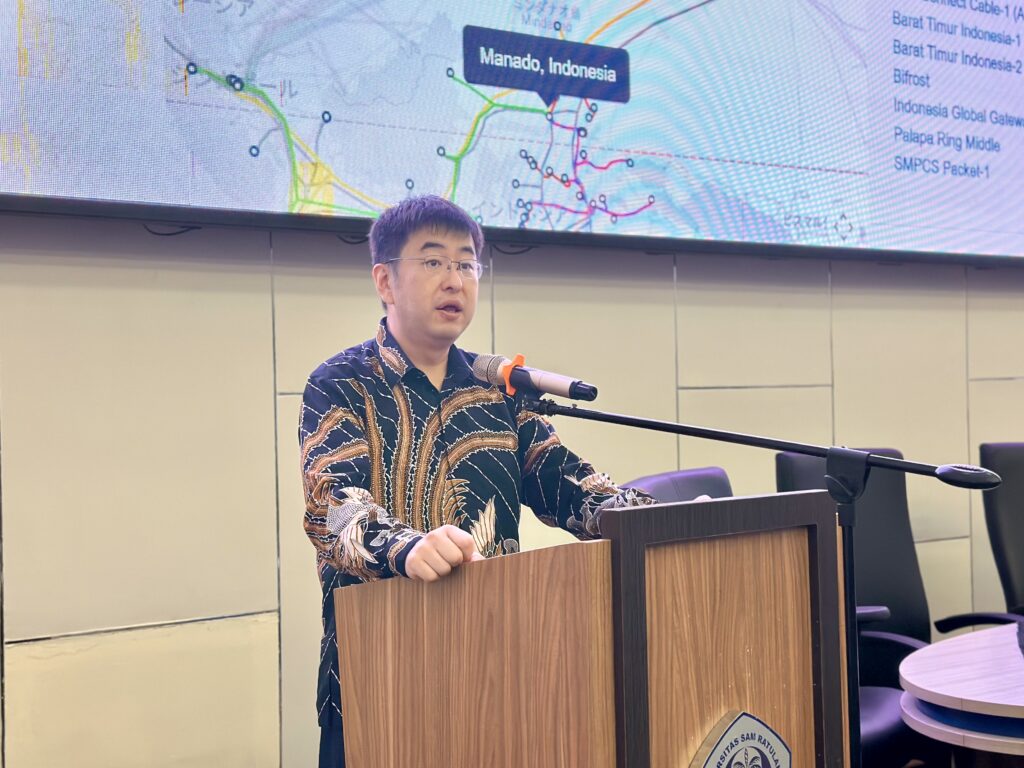
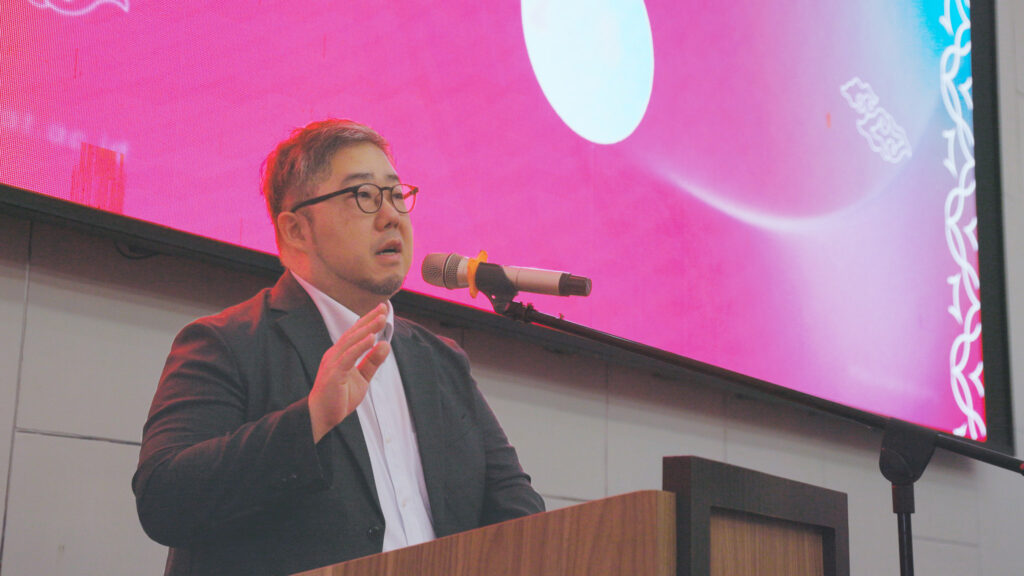
Their welcoming messages highlighted both UNSRAT’s commitment to technical education and the importance of regional collaboration for Internet capacity building.
Camp activities began immediately after the ceremony, following the structured curriculum below.
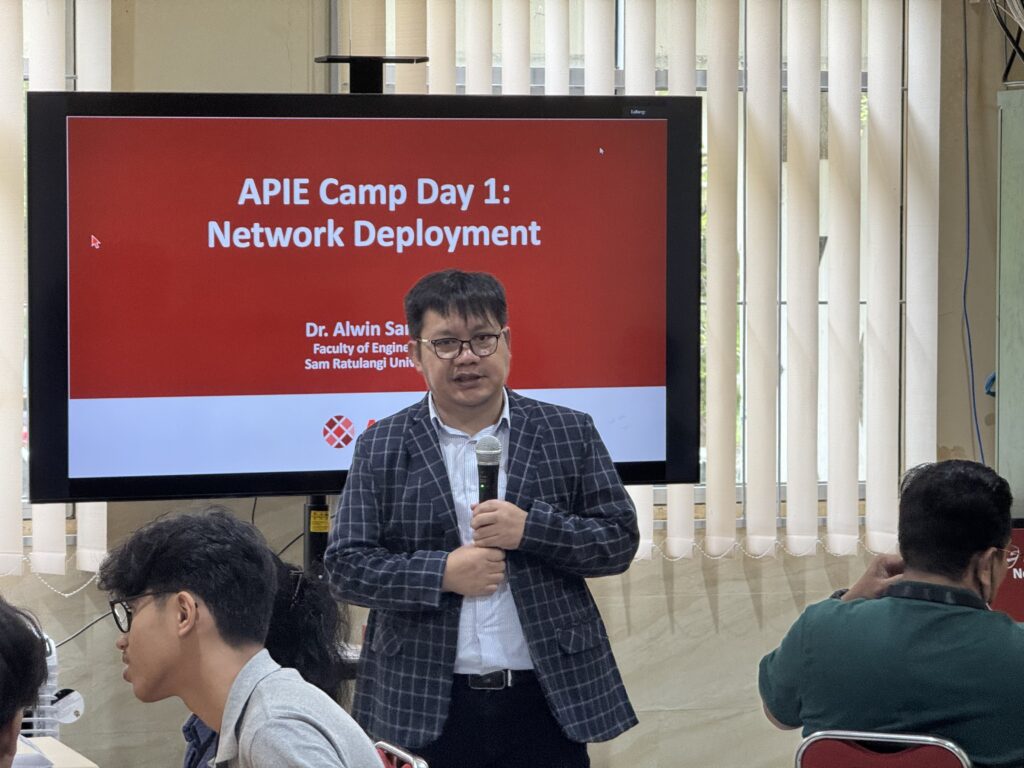
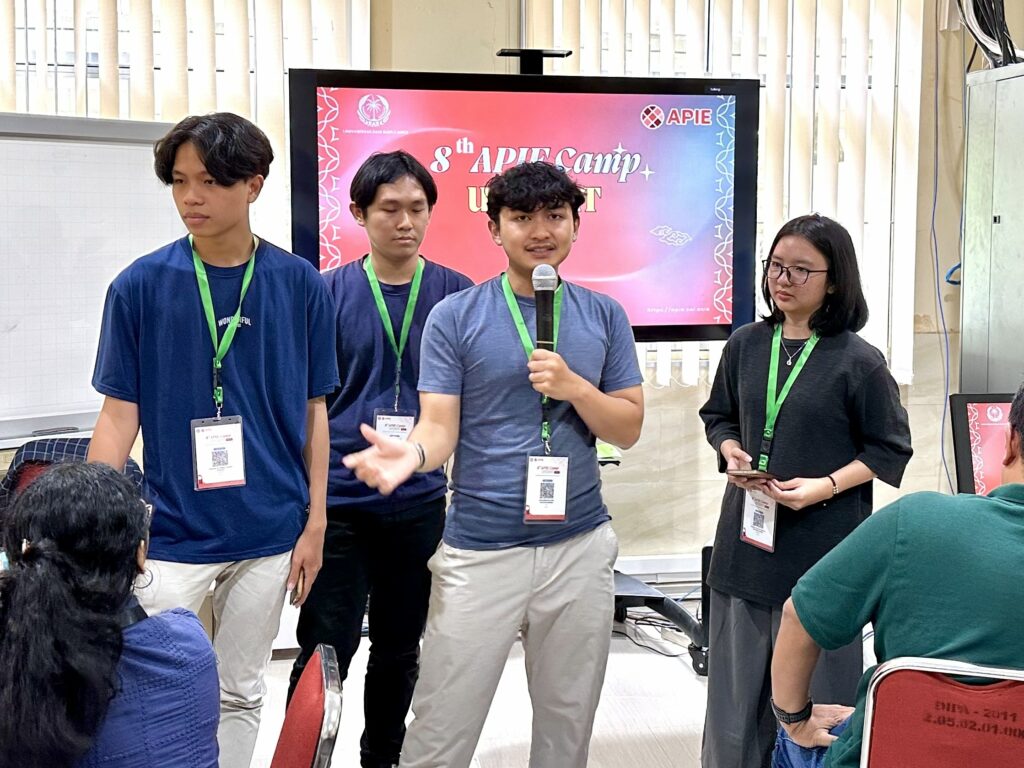
Instructors: Dr. Alwin Sambul, Mr. Daniel Sengkey (UNSRAT)
Participants began the camp with the fundamentals of Internet engineering:
- Network cabling and physical setup
- IP addressing and topology design
- VLAN configuration
- WLAN setup
- OSPF routing
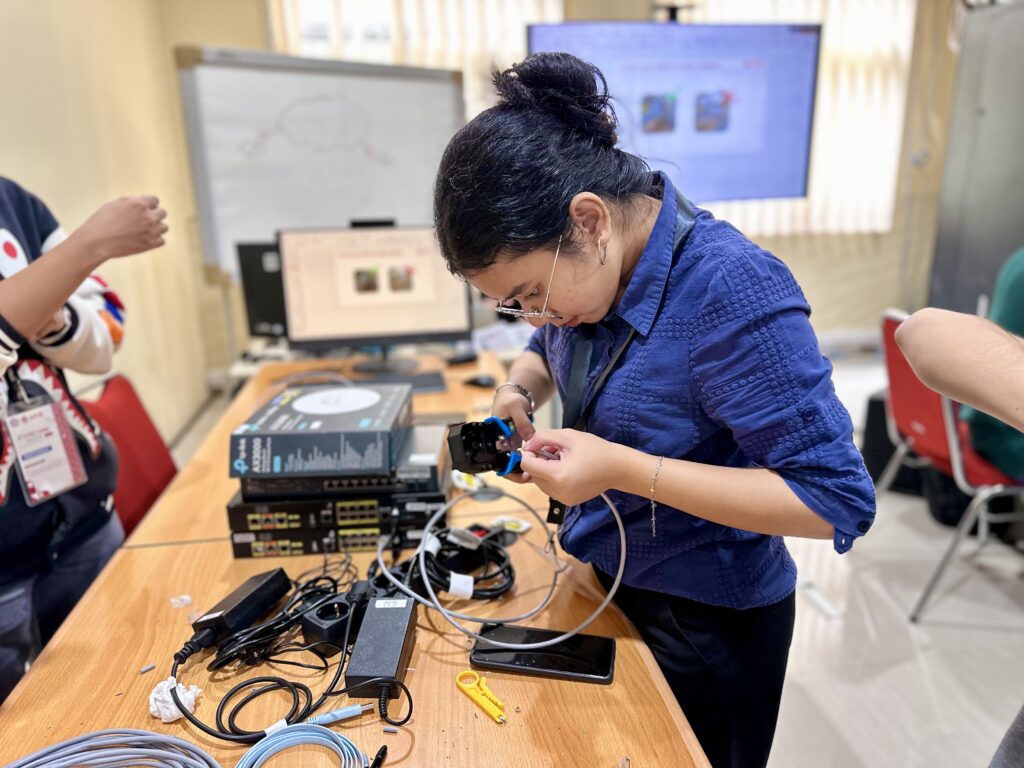
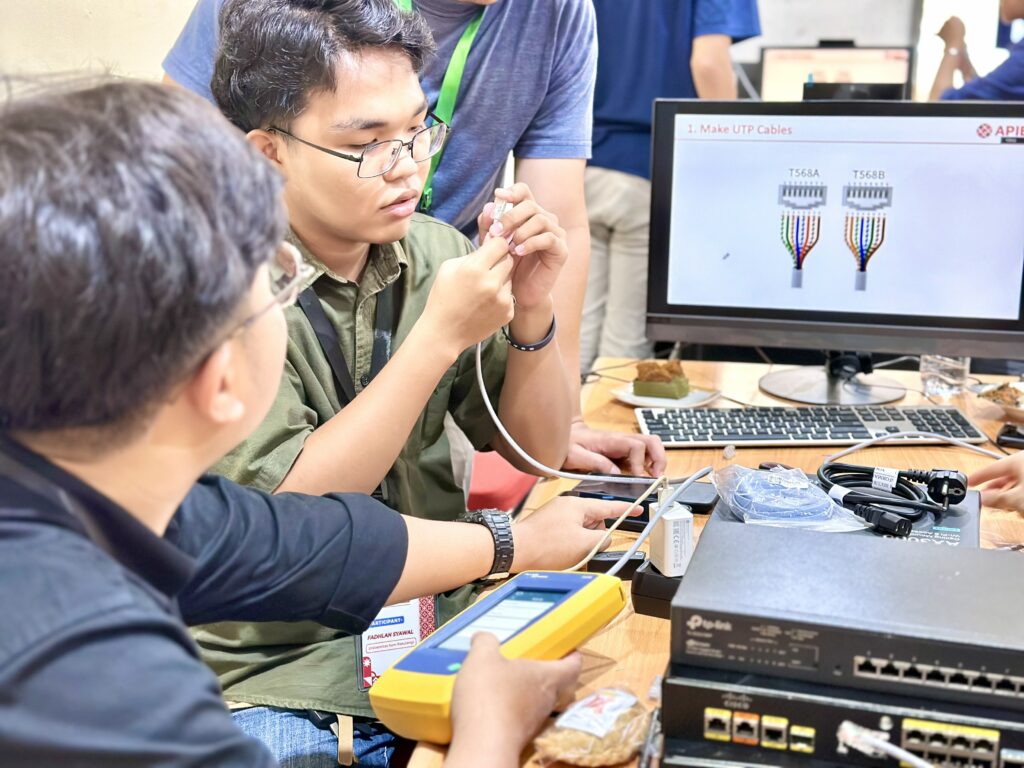
Mission outputs:
Completed cabling, basic topology configuration, IP and VLAN setup, WLAN, and routing.
Day 2 — Network Virtualisation & Network Security
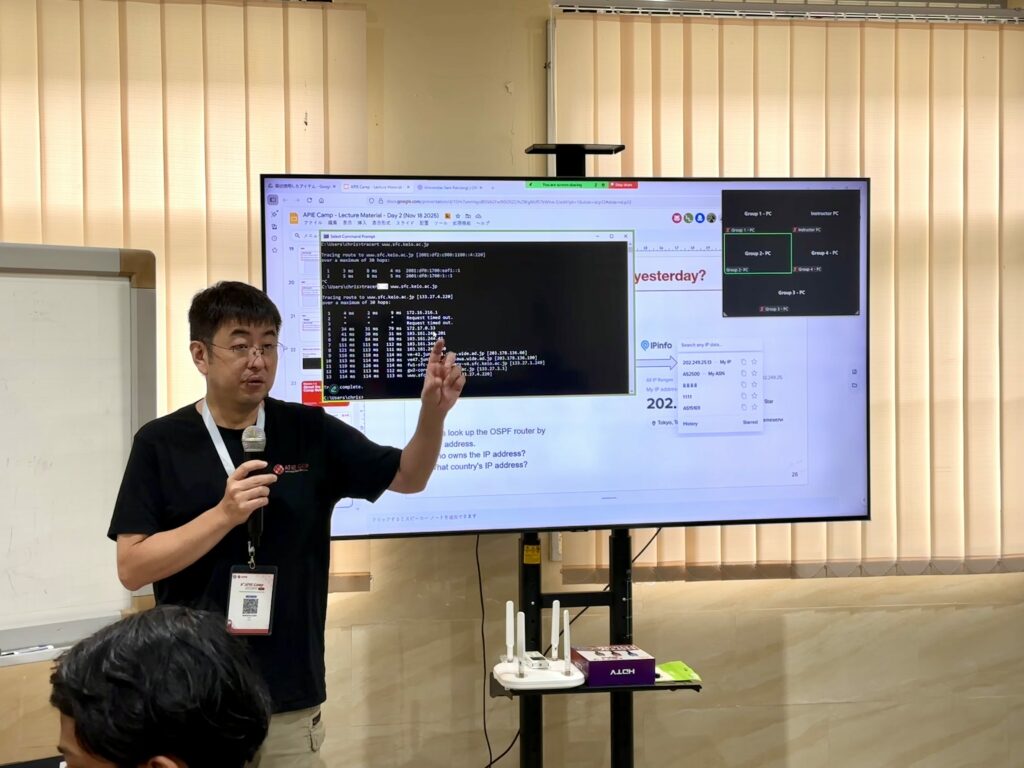
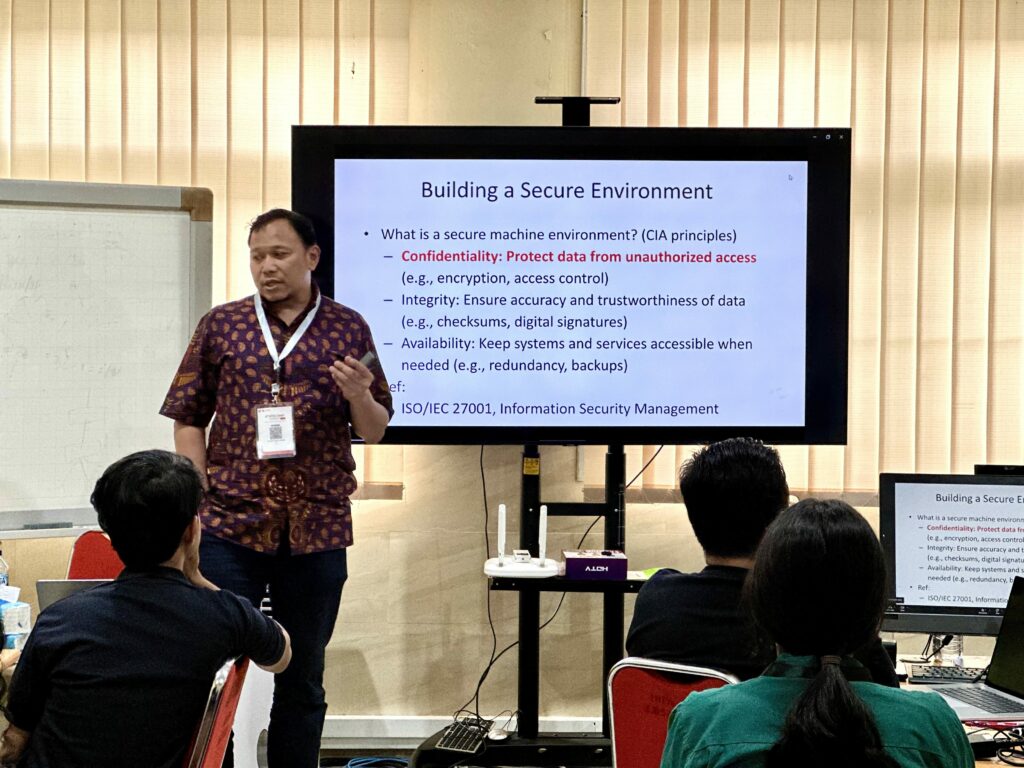
Instructors: Dr. Kudo & Dr. Husni (Keio University)
Students worked hands-on with:
- Hypervisors and virtual machines
- Linux fundamentals and system configuration
- Hardening routers and public-facing servers
- Implementing basic network monitoring
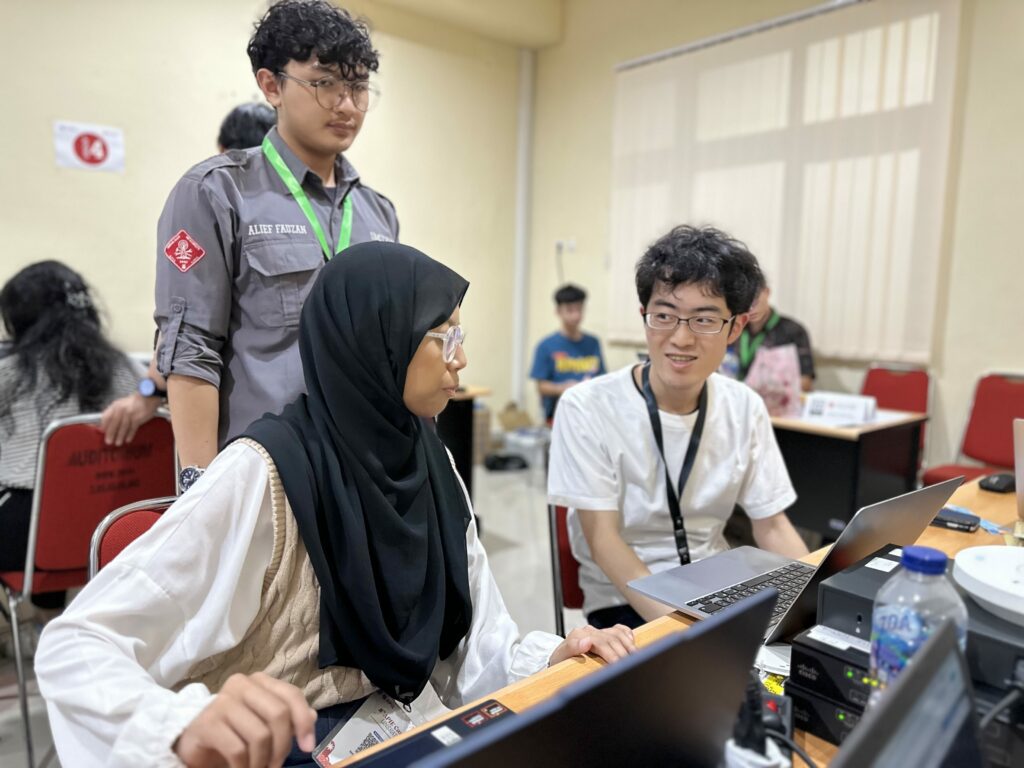
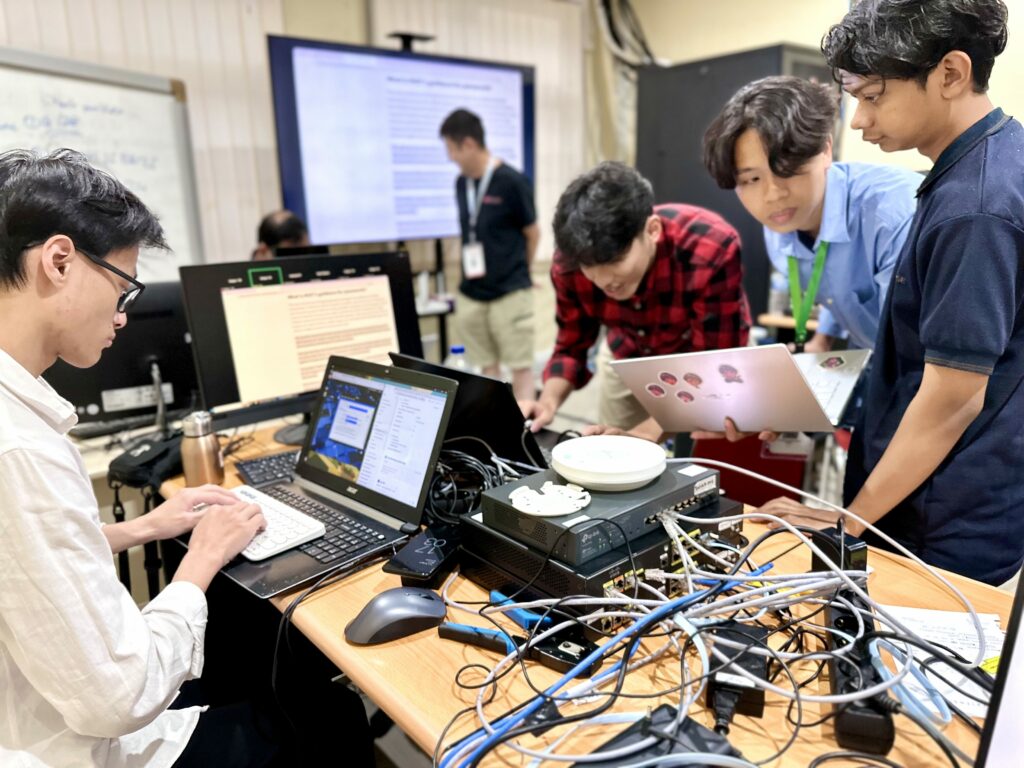
The day emphasized balancing accessibility, performance, and security.
Day 3 — DNS
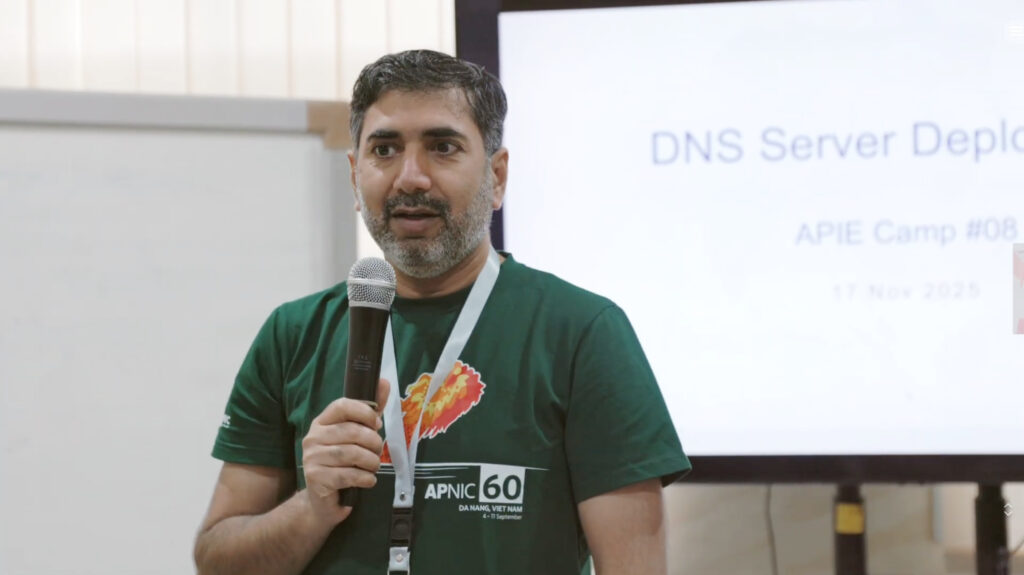
Instructor: Mr. Imtiaz Sajid (APNIC)
Participants learned to configure DNS servers, zones, and records, and test DNS resolution and performance to ensure reliability and redundancy.
Day 4 — IoT & Cloud Computing
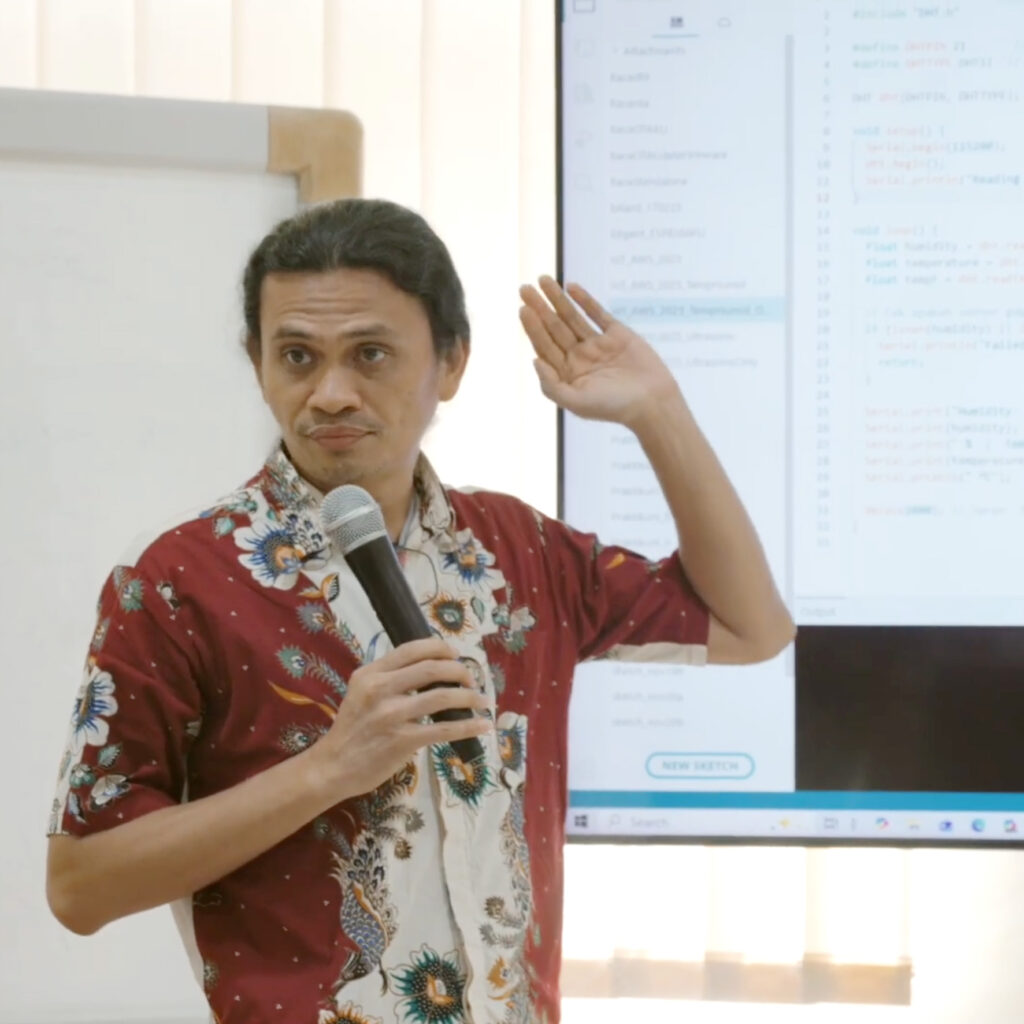
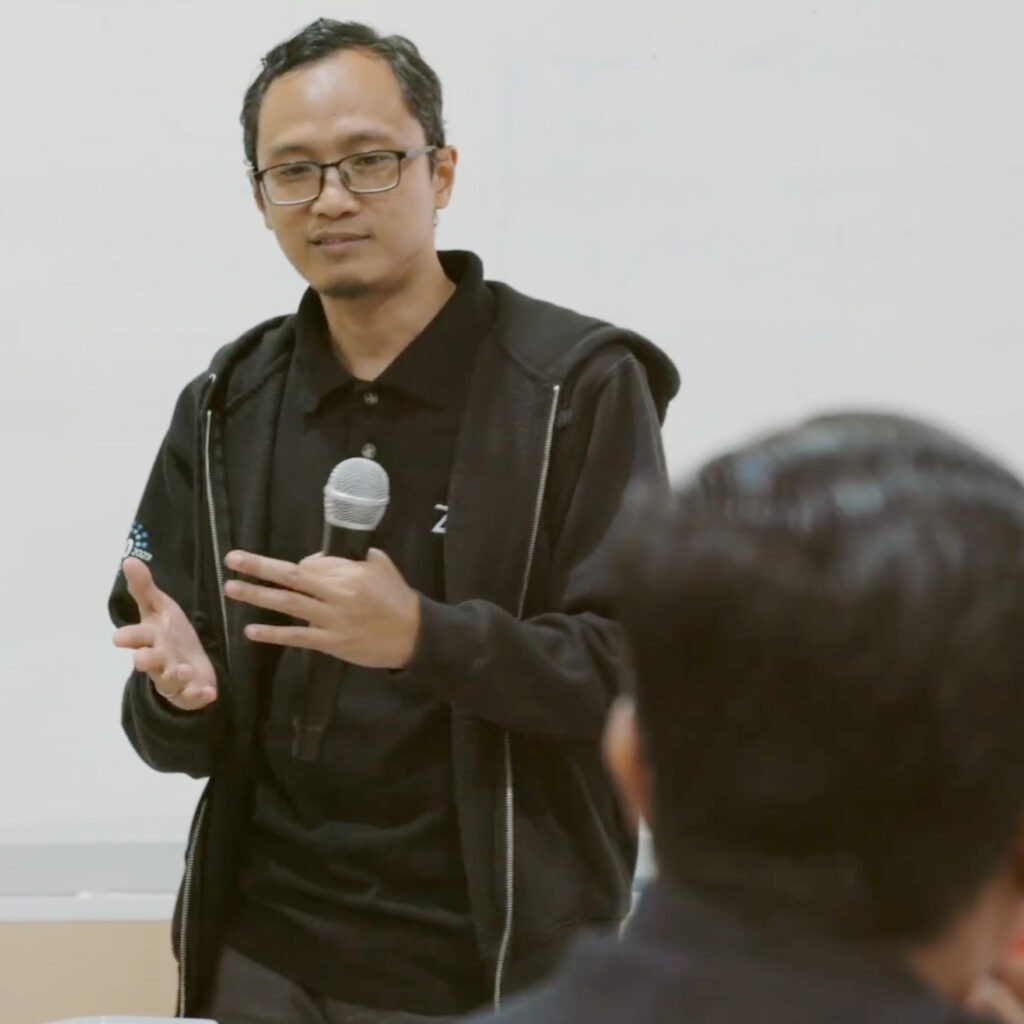
Instructors: Dr. Pinrolinvvic Manembu (UNSRAT), Dr. Aris Cahyadi Risdianto (SIT)
The fourth day explored IoT systems and cloud platforms through:
- Deploying IoT devices and sensors
- Processing real-world data
- Implementing cloud-based applications using AWS
Day 5 — Industry Visit & Closing Ceremony
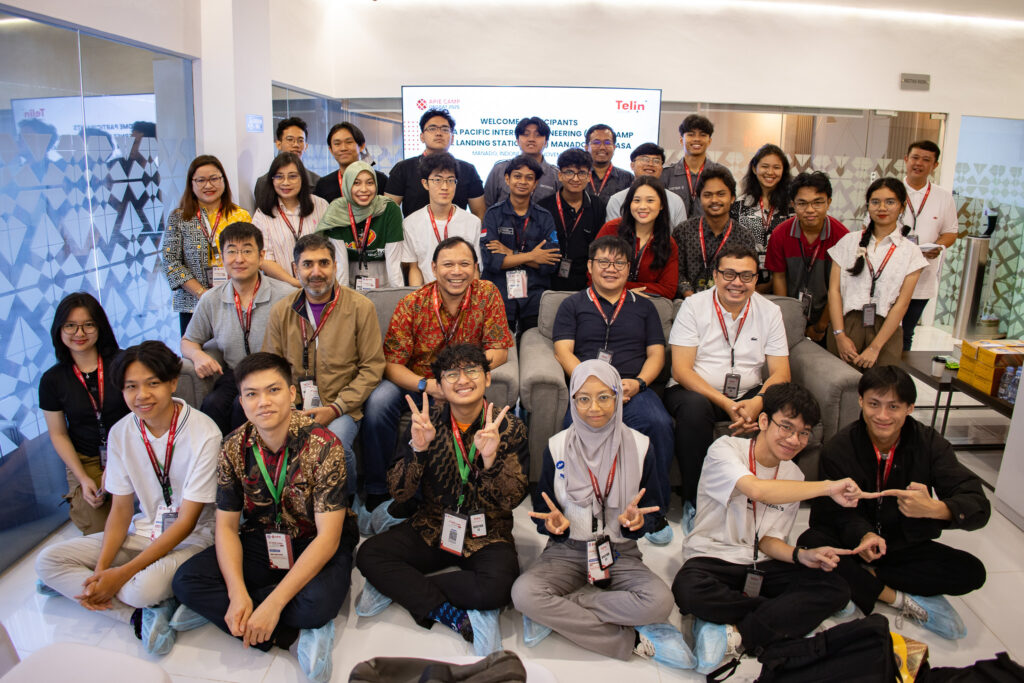
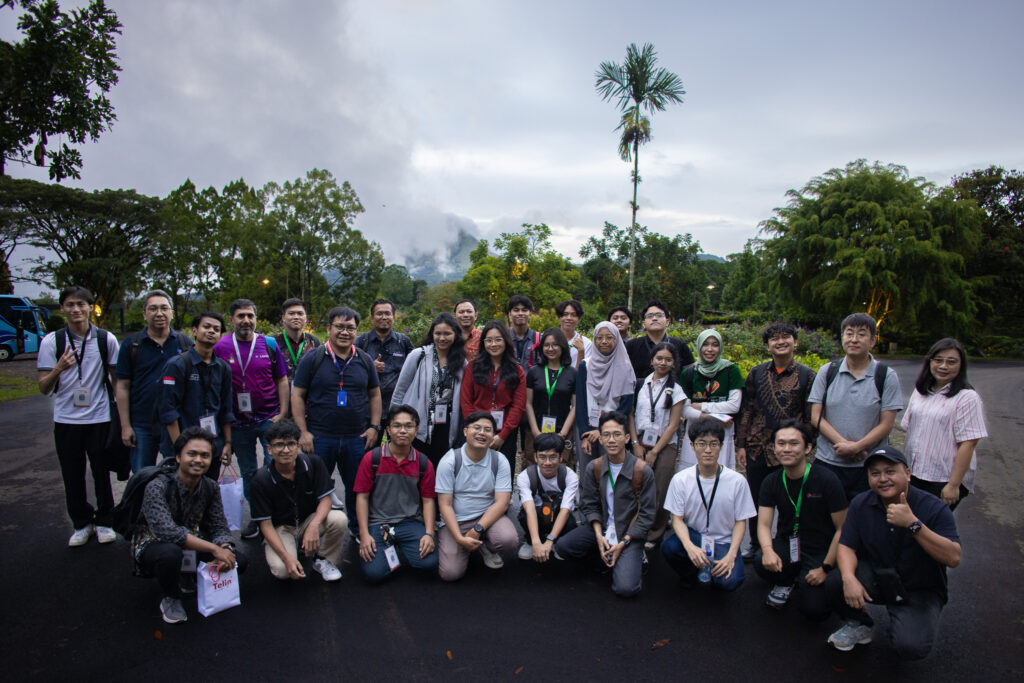
Participants visited Telin’s headquarters in Manado, where they gained insights into real-world network operations, infrastructure, and the challenges of delivering reliable services at scale.
This site visit was one of the most memorable highlights of the camp, connecting classroom learning with industry practice.
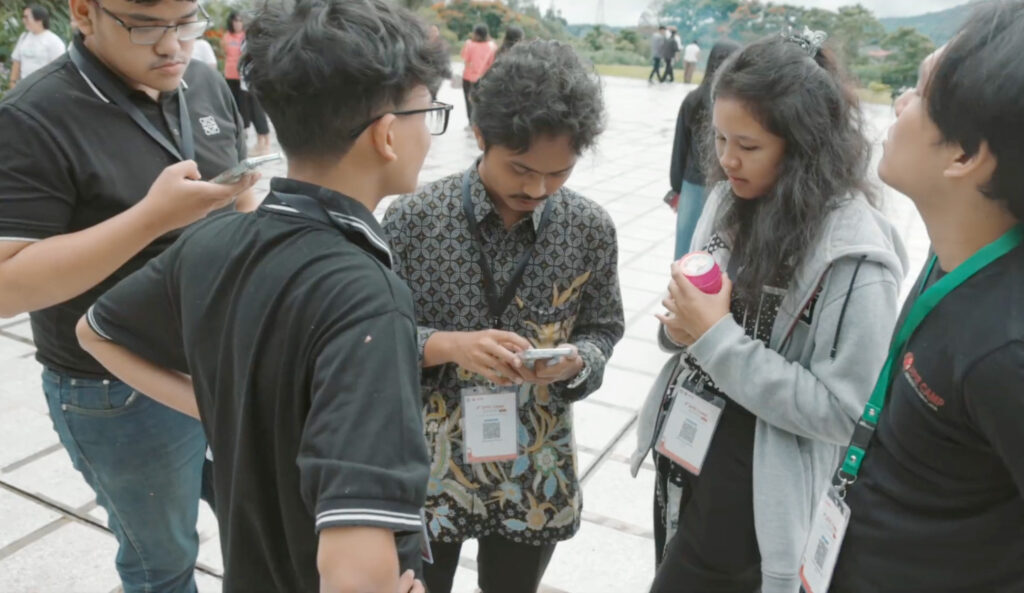
The visit was followed by teams presentations and a treasure hunt game that require not only stamina but skills and knowledge related to the topics learned during the camp.
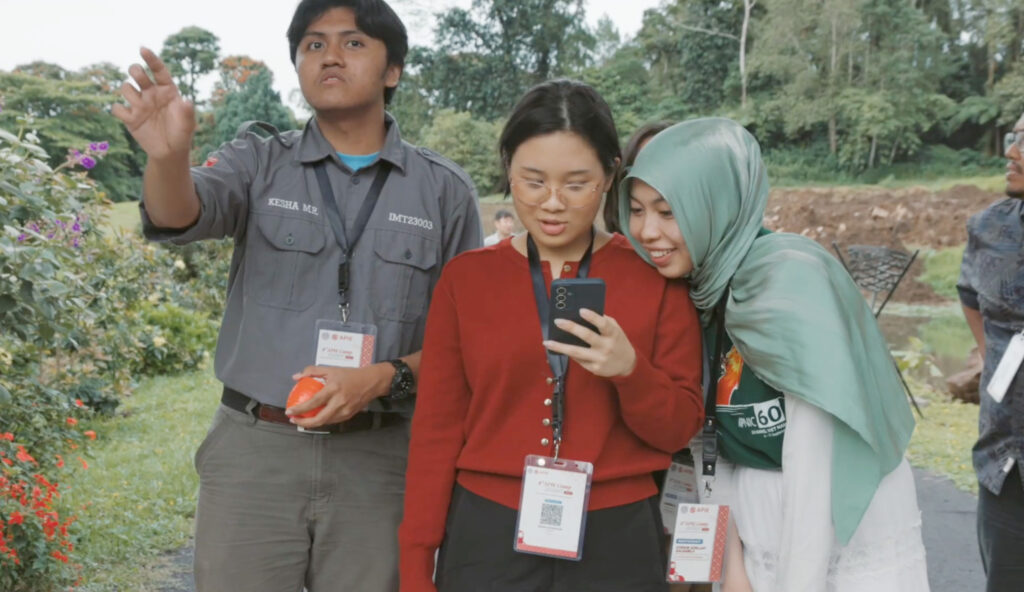
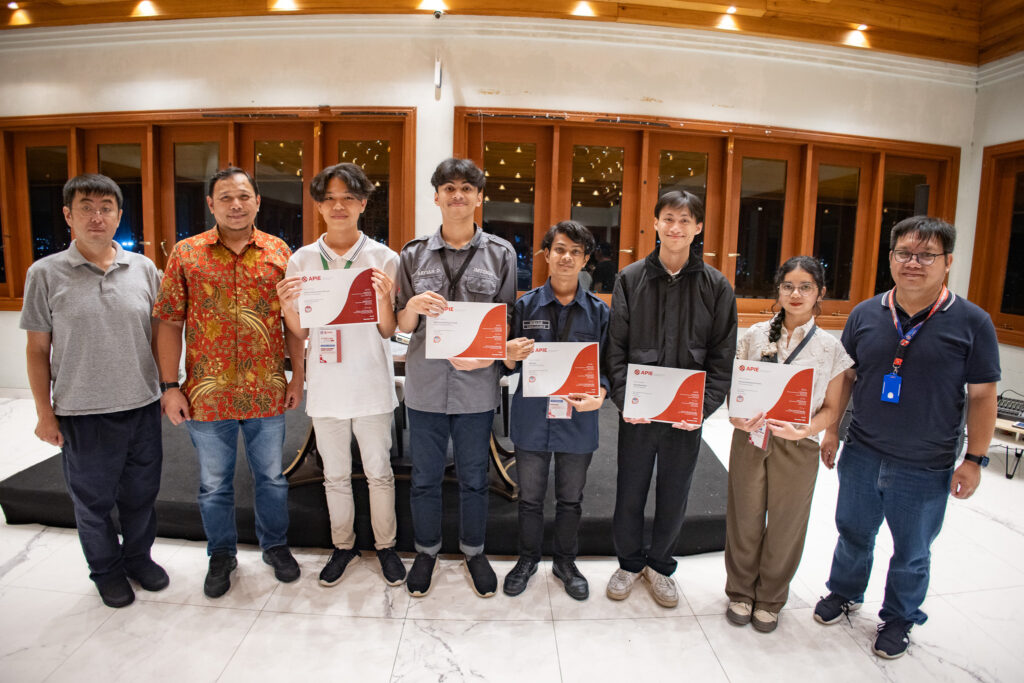
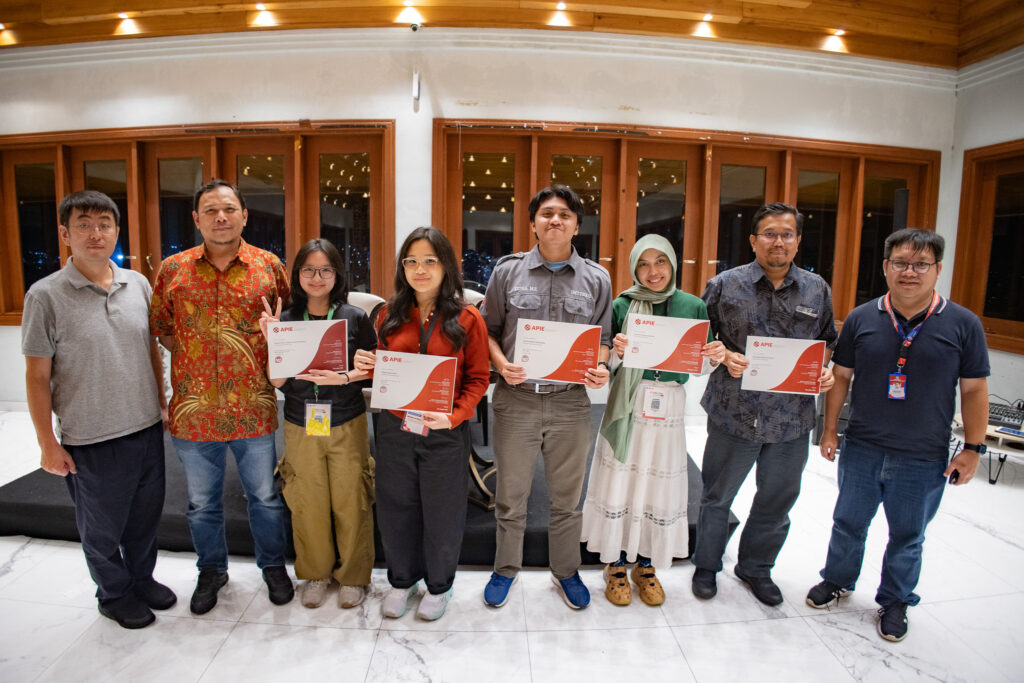
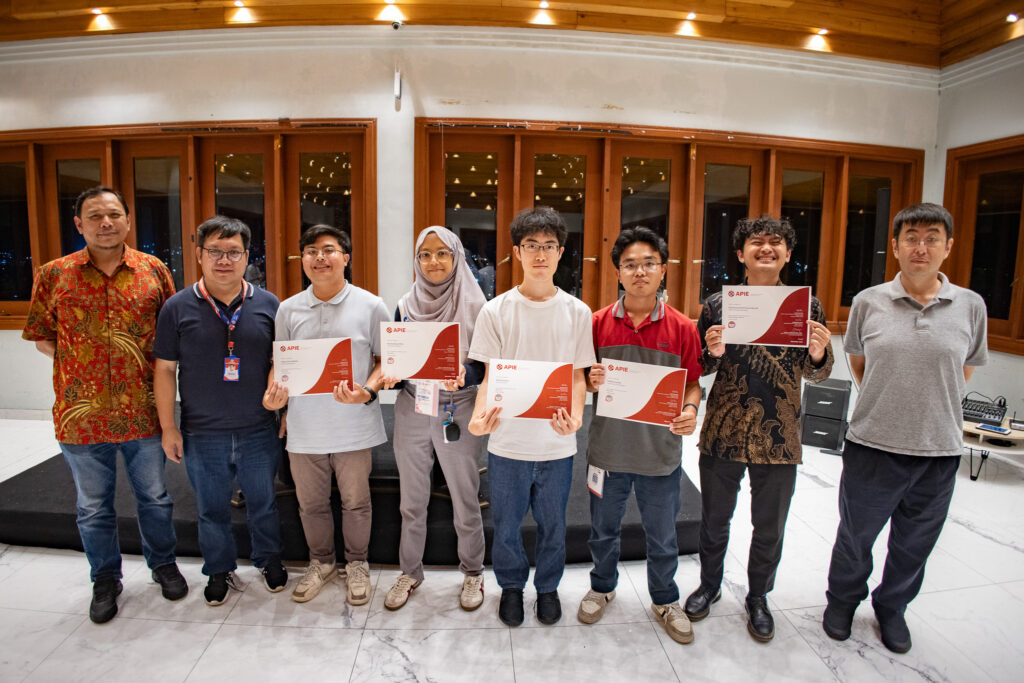
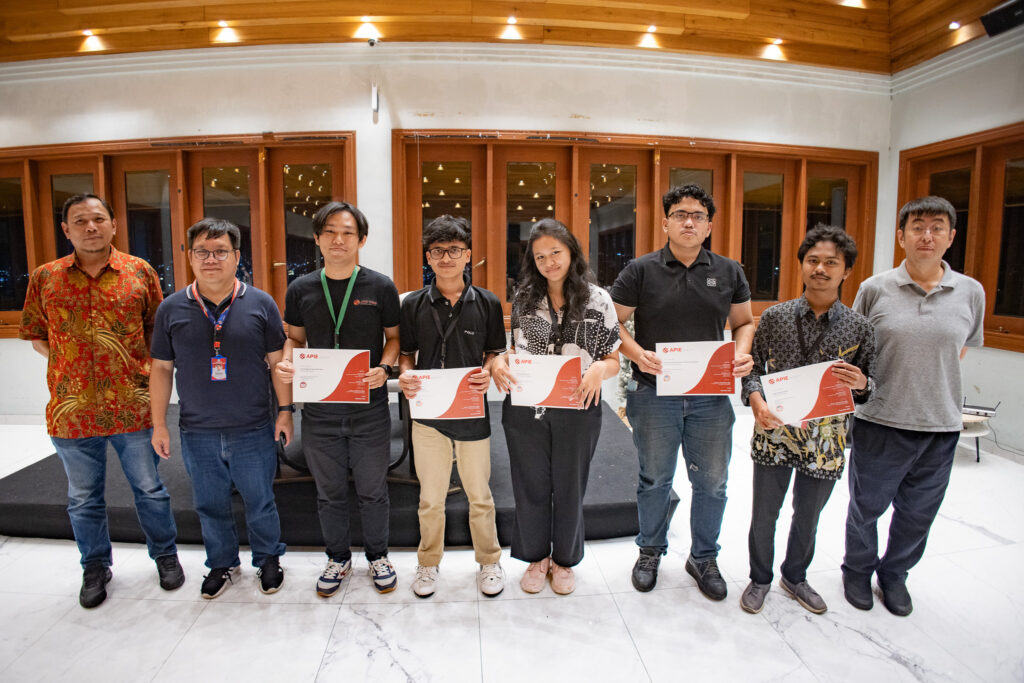
The camp concluded with a closing ceremony held at a Manadonese cuisine restaurant, where participants received their Certificates of Participation and celebrated the end of an intensive and inspiring week together. The gathering also strengthened friendships and created lasting memories among campers, instructors, and the host team.
Final Presentations
The final presentation session was held on December 10, 2025. After returning to their respective home institutions, participants continued refining their projects remotely with their peers, incorporating the feedback they received before leaving Manado.
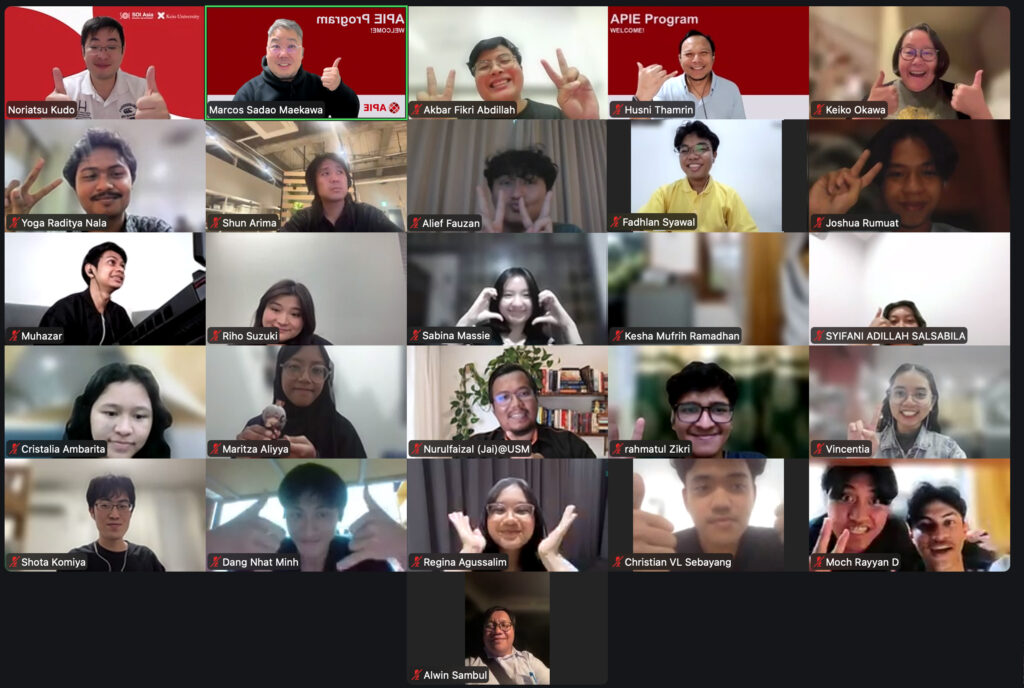
The audience — comprising faculty members, organizers, and teaching assistants — was impressed by the diversity of topics and the clear improvements made. This was a strong indication of the effort participants invested in their work, demonstrating not only the technical skills and knowledge gained during the camp, but also their collaboration, dedication, and commitment to the program.